



Hyderabad is widely recognised for its rich and layered food culture, shaped by centuries of royal influence. At the centre of this legacy sits the iconic Hyderabadi biryani. It is more than a rice dish. It reflects the precision of royal kitchens, where technique mattered as much as taste. Developed during the Nizam era, this biryani follows a structured cooking process that focuses on balance, heat control, and flavour infusion. The defining method is dum cooking, where the pot is sealed to trap steam. This creates a controlled heat environment, allowing rice and meat to cook together while retaining moisture and aroma. Another key element is layering. Raw or semi-cooked ingredients are arranged in a specific order to ensure even heat distribution and consistent taste in every bite.
For home cooks and food enthusiasts, the difference between average and restaurant-style biryani often comes down to these technical details. Proper marination helps tenderise the protein and improves flavour absorption. Correct rice parboiling ensures the grains remain separate after dum cooking. Each step has a purpose and adds value to the final dish. When followed carefully, this method allows anyone to recreate an authentic, flavour-rich Hyderabadi biryani at home with confidence and consistency.
Why Hyderabad Special Biryani Unique?
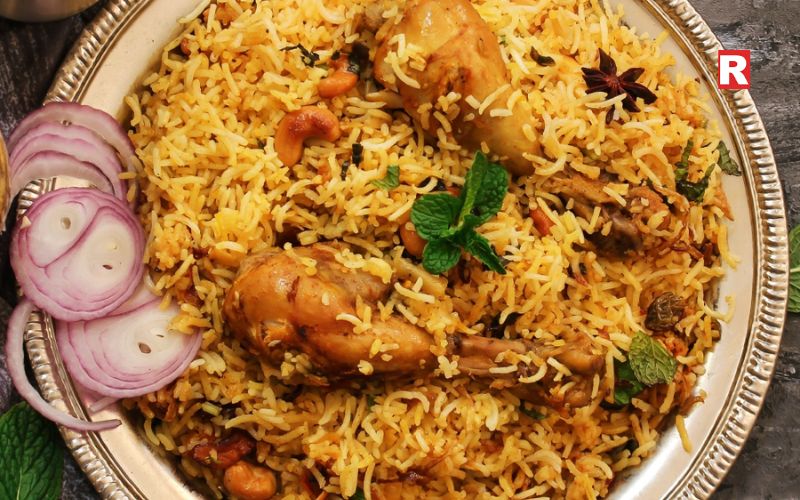
Hyderabadi biryani is very different from regular rice dishes. It is not just about mixing rice and curry. It is about layering and slow cooking. The most important factor is the dum cooking technique. In this method, the pot is sealed and cooked on low heat. This traps steam inside and allows the flavors to blend naturally.
Another key feature is the kacchi style. Here, raw marinated meat is placed at the bottom and partially cooked rice is layered on top. Both cook together in sealed heat. This gives a deep and rich taste. The use of saffron, fried onions, mint, and ghee adds aroma and balance. The spices are strong but never overpowering.
Read more: Kootu Curry Recipe: Traditional Kerala-Style Curry for Your Festive Menu
Top 5 Poppy Seed Recipes To Try: Nutty, Aromatic Dishes Worth Trying
Ingredients Required for Authentic Taste
Using the right ingredients is very important. Quality directly affects the final taste.
Core Ingredients
- 2 cups long-grain basmati rice (aged preferred)
- 500g chicken or mutton
- 1 cup thick yogurt
- 2 large onions (fried to make birista)
- 2 tbsp ginger-garlic paste
- 3–4 green chillies
Whole Spices
- 2 bay leaves
- 4 cloves
- 3 cardamom pods
- 1-inch cinnamon stick
Flavor Enhancers
- Saffron soaked in warm milk
- 1 tsp rose water or kewra water
- Fresh mint and coriander leaves
- 2–3 tbsp ghee
Technical note: Maintain a balanced rice-to-meat ratio. Aged basmati rice is preferred because it stays long and separate after cooking.
Step-by-Step Cooking Process
1. Step 1: Marination – Building the Base Flavor
Marination is where the real flavor starts. In a bowl, mix chicken or mutton with yogurt, ginger-garlic paste, salt, spices, fried onions, mint, and coriander. Let it rest for at least 4–6 hours. Overnight marination gives the best result. This step is important because yogurt helps break down the protein. This makes the meat soft and allows spices to go deep inside.
2. Step 2: Rice Preparation – Getting the Texture Right
Wash the basmati rice and soak it for 30 minutes. Boil water with salt and whole spices. Add rice and cook until it is about 70% done. The grains should still have a slight bite. Drain the rice immediately. Overcooking at this stage can ruin the final texture.
3. Step 3: Layering – The Signature Technique
Take a heavy-bottom pot. Spread the marinated meat at the bottom. Add a layer of rice on top. Then add saffron milk, ghee, fried onions, mint, and coriander. Repeat layering if needed. Make sure the top layer is rice. Even layering ensures that heat spreads properly. It also helps every bite have balanced flavor.
4. Step 4: Dum Cooking – The Game Changer
Seal the pot with a tight lid. You can use dough to seal the edges. Cook on low heat for 25–40 minutes. You can place a tawa under the pot to prevent burning. Inside the pot, steam builds pressure. This cooks the meat and rice together. The flavors mix slowly and naturally. This method is what gives Hyderabadi biryani its signature aroma and richness.
Know more: Sattu Paratha Recipe: A Nutritious Bihari Special Loved Across India
Common Mistakes to Avoid
Even a small mistake can affect the dish.
- Overcooked rice can turn mushy
- Too much liquid in marination can spoil texture
- Skipping dum sealing will reduce flavor depth
- Low-quality rice will not give the right aroma
- Too many spices can overpower the dish
Focus on balance. Hyderabadi biryani is about harmony, not excess.
Variations of Hyderabadi Biryani
There are different styles you can explore.
- Kacchi Biryani: Raw meat is cooked with rice together. This is more authentic and flavorful.
- Pakki Biryani: Meat is cooked separately and then layered with rice. Easier for beginners.
- Chicken vs Mutton: Chicken cooks faster and is lighter. Mutton gives a richer and deeper taste.
- Vegetarian Versions: Paneer or vegetable biryani is popular today. However, the cooking technique remains the same.
Also check: Metkut Recipe: Traditional Maharashtrian Comfort Food
Tandoori Raan: The Royal Leg of Lamb That Is Taking Over Modern Menus
Mutton Chukka (Sukka) Recipe – A Spicy South Indian Delight
Why This Recipe Works
This method focuses on technique, not shortcuts.
- Marination ensures deep flavor
- Controlled rice cooking maintains texture
- Layering creates balance
- Dum cooking locks aroma and moisture
When done right, you get restaurant-style biryani at home. The rice stays separate, the meat turns soft, and every bite feels rich.
Happy Eating!
Making Hyderabadi biryani at home may feel difficult in the beginning. Many home cooks find the steps long and detailed. However, once the process is understood, it becomes much easier to follow. This dish is not about speed. It depends on patience and careful execution. Each stage has a clear role. Marination helps soften the meat and build base flavour. Controlled rice boiling ensures the grains stay firm and separate. Proper layering allows even heat flow inside the pot. The dum method, where the vessel is sealed, creates internal steam pressure. This helps cook everything evenly without losing moisture. For beginners and food enthusiasts, focusing on these technical points can improve results significantly. Small details make a big difference in taste and texture. There is also a sense of satisfaction in getting it right. When the lid is opened, the aroma is rich and inviting. It reflects effort, skill, and attention. That moment makes the entire cooking process worthwhile.

Rice paper is more than just an ingredient—it is a culinary tradition that has traveled across countries and centuries. Originating in Vietnam, rice paper is made from rice flour, water, and sometimes tapioca. Thin and delicate, it is usually used for fresh spring rolls or fried snacks. Over time, chefs and home cooks worldwide have adapted rice paper in creative ways, making it a versatile and healthy option for meals.
Whether you want a quick lunch, a light snack, or a fresh appetizer, rice paper is an excellent choice. It is gluten-free, low in calories, and encourages using fresh vegetables, herbs, and lean proteins. In this article, we explore seven easy rice paper recipes that are quick, healthy, and perfect for home cooking.
Read more: 5 Cities That Serve the Best Non-Vegetarian Street Food
Pani Puri Has Different Names in Different Indian States—Know Them All
A Quick History of Rice Paper
Rice paper has a long history in Vietnam, dating back centuries. Traditional Vietnamese cuisine used it to make fresh rolls, known as gỏi cuốn, filled with herbs, rice noodles, and shrimp or pork. These rolls were often served with dipping sauces, such as peanut sauce or fish sauce-based dips.
Over time, rice paper became popular beyond Vietnam. It reached other Asian countries and, eventually, Western kitchens. Today, rice paper is used in many creative ways, from snacks to desserts. Its appeal lies in its simplicity and versatility, allowing cooks to experiment with fillings, textures, and flavors.
Tips for Working with Rice Paper
Cooking with rice paper may seem tricky at first, but it is easy once you know a few tips.
- Soften without tearing: Dip each sheet in warm water for a few seconds. Lay it flat on a damp surface to make rolling easier. Avoid over-soaking, as it can tear easily.
- Choose the right fillings: Use fresh vegetables, cooked proteins, or even fruits. Balance flavors with herbs, spices, and sauces.
- Rolling technique: Place ingredients closer to one edge, fold the sides, and roll tightly. Practice makes perfect.
- Storage tips: Keep unused sheets in a sealed plastic bag. Store in a cool, dry place. Rolls are best eaten fresh but can last a few hours in the refrigerator.
7 Easy Rice Paper Recipes
1. Fresh Veggie Spring Rolls
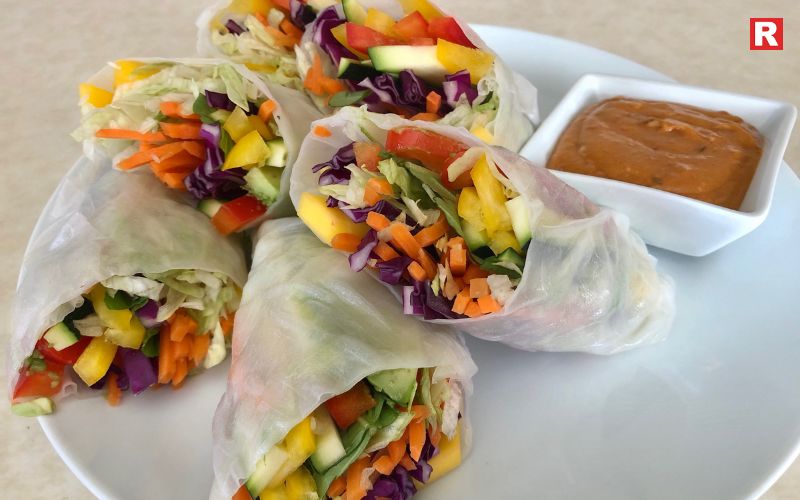
Fresh veggie rolls are light, colorful, and quick to make. Use carrots, cucumber, bell peppers, and lettuce. Add fresh herbs like mint or cilantro. Optional extras include rice noodles or avocado slices. Serve with peanut sauce or soy sauce for dipping. Prep time is around 15 minutes, making it ideal for a quick lunch.
2. Shrimp and Avocado Rolls

This recipe adds protein and creaminess. Use cooked shrimp, sliced avocado, and crisp vegetables. Add a squeeze of lime juice for a fresh flavor. Serve with a sweet chili dipping sauce. These rolls are filling yet light, perfect for a healthy meal.
Know more: 10 Awadhi Cuisine Classics You Must Try at Least Once
3. Rice Paper Summer Wraps with Hummus
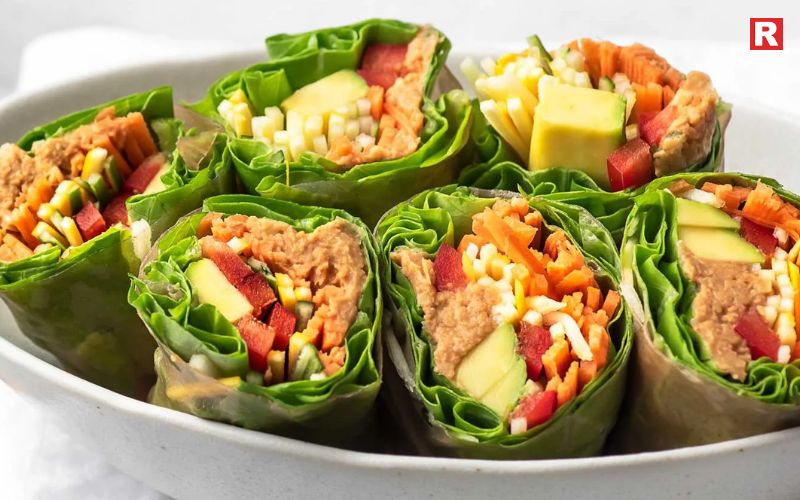
Give rice paper an international twist by spreading a thin layer of hummus on the sheet. Add shredded lettuce, carrots, cucumber, and roasted red peppers. Roll tightly and slice. These wraps are ideal for a vegetarian snack or lunch and take less than 10 minutes to make.
4. Crispy Baked Rice Paper Chips

Rice paper is not just for rolls. Cut sheets into triangles, brush lightly with olive oil, and bake until crispy. Sprinkle with salt, paprika, or other spices. These chips are a healthy alternative to fried snacks. Serve with guacamole or salsa for a quick appetizer.
5. Tofu and Veggie Rice Paper Rolls
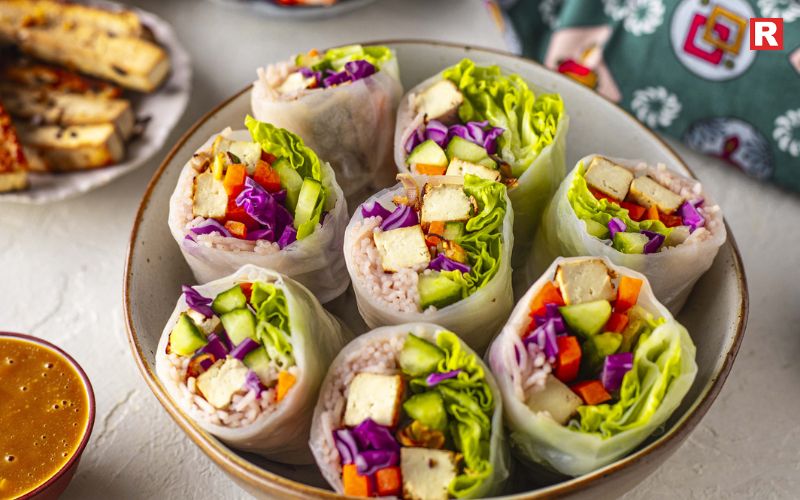
For a plant-based protein option, use firm tofu, marinated in soy sauce or sesame oil. Combine with bell peppers, cucumber, carrots, and fresh herbs. Serve with a peanut or hoisin dipping sauce. These rolls are great for lunch or a light dinner. They are easy to make and store well for a few hours.
Also check: 5 Foods to Avoid for Better Cholesterol
6. Fruit and Nut Dessert Rolls

Rice paper can also be used for desserts. Spread a thin layer of cream cheese or yogurt, then add slices of strawberries, mango, or banana. Sprinkle with chopped nuts or seeds. Roll gently and serve immediately. These dessert rolls are a fun way to enjoy a healthy, sweet treat without added sugar.
7. Asian-Style Chicken Lettuce Wraps in Rice Paper
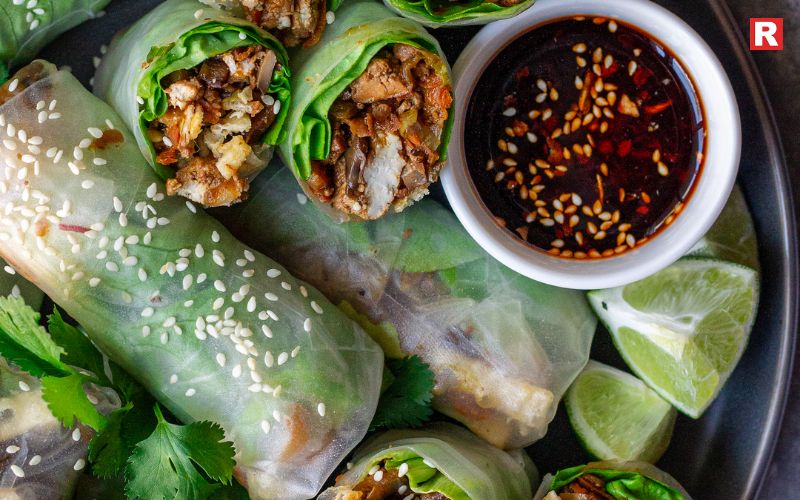
Cook shredded chicken with soy sauce, ginger, and garlic. Add shredded lettuce, carrots, and cucumber. Place the mixture in softened rice paper and roll tightly. Serve with hoisin or plum sauce. These rolls are savory, satisfying, and perfect for dinner or a party appetizer.
Serving and Dipping Ideas
Dipping sauces can make rice paper rolls more exciting. Some popular options include:
- Classic peanut sauce: Made with peanut butter, soy sauce, lime juice, and a touch of honey.
- Sweet chili sauce: Adds a tangy and slightly spicy flavor.
- Yogurt-mint dip: Light and refreshing, ideal for vegetable rolls.
Experimenting with sauces allows you to create flavors that suit your taste and make rice paper meals more enjoyable.
Why Rice Paper is Perfect for Healthy Meals
Rice paper is naturally low in calories and carbs, making it suitable for light meals and snacks. It encourages using fresh ingredients, including vegetables, lean proteins, and herbs, which makes meals colorful and nutritious. Its gluten-free nature also makes it accessible for people with dietary restrictions.
Using rice paper helps home cooks get creative. You can make vegetarian, vegan, or protein-packed options with ease. It is versatile, quick to prepare, and suitable for breakfast, lunch, dinner, or snacks.
Check more: 6 Unexpected Benefits of Eating Jackfruit (Kathal) – Nature’s Spiky Surprise!
Slurping Through India: 6 Iconic Noodles You Can’t Miss
India’s Top 5 Vegetarian Restaurant Brands You Can’t Miss
The Bottom Line!
Rice paper is a simple and versatile ingredient with a long history. It was first used in Vietnam for making fresh spring rolls. Over time, cooks have used it in many different ways. It can be baked into crispy chips, wrapped around fruits, or filled with vegetables, tofu, or shrimp. Rice paper adapts easily to different flavors and styles.
The seven recipes featured here show how easy and quick it is to use rice paper. Each recipe is healthy and full of fresh ingredients. They are suitable for light lunches, snacks, or party appetizers. Rice paper rolls are easy to make for beginners, yet still fun for experienced cooks. They are colorful, light, and satisfying. Each bite carries a hint of history and tradition. With rice paper, anyone can prepare meals that are fresh, creative, and nutritious, while enjoying flavors from around the world.
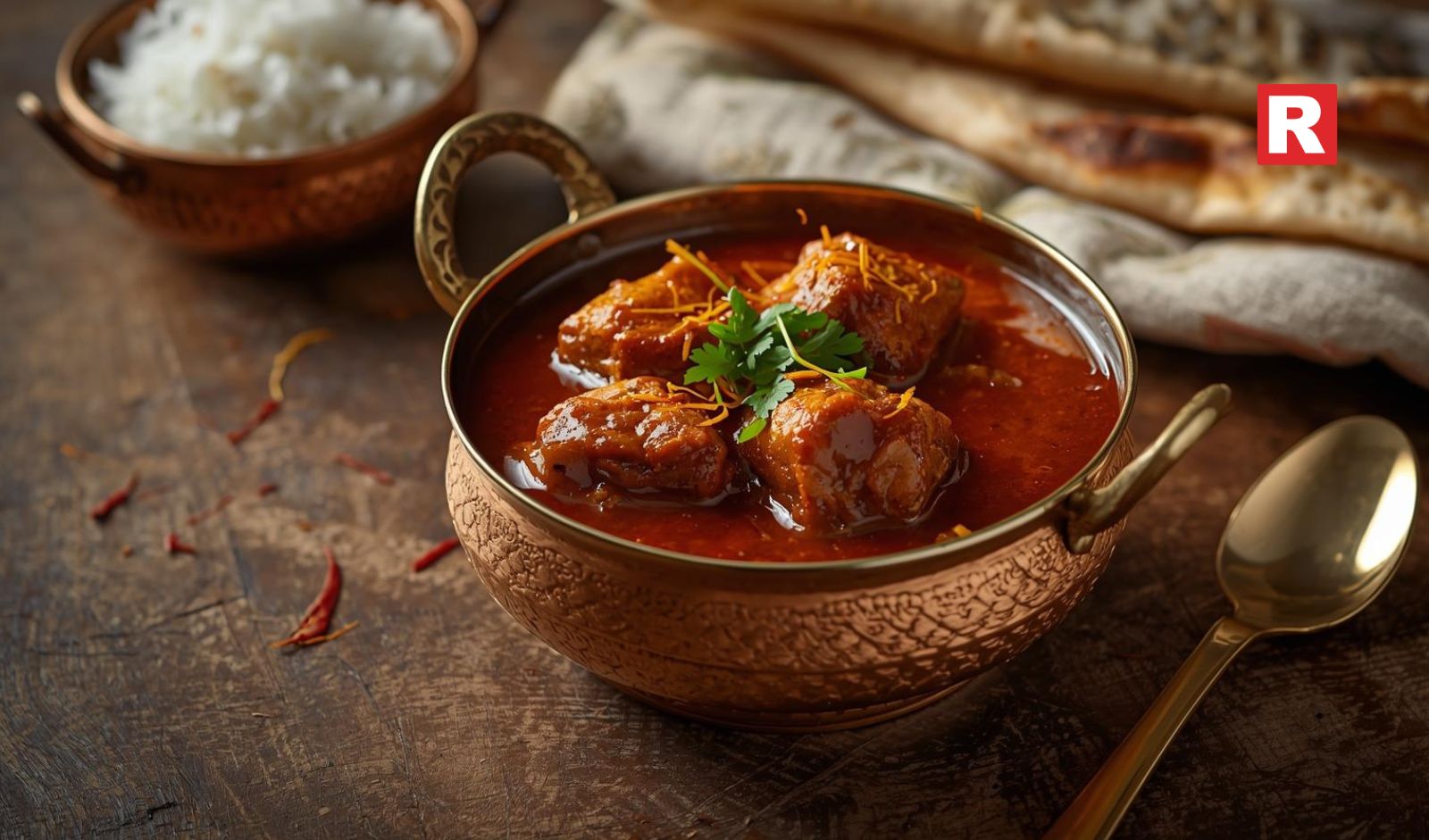
The smell of slow-cooked lamb and simmering spices fills restaurants and homes on a cold winter evening in Kashmir. Kashmir's rich spice traditions and imperial Mughal influence are reflected in this classic cuisine, rogan josh, which is more than just food.
Its vivid crimson hue, melt-in-your-mouth meat, and layered flavors of Kashmiri red chilies, yogurt, and whole spices have made it one of the most well-liked restaurant meals in India.
Here’s how to recreate this restaurant-style dish at home.
About Rogan Josh
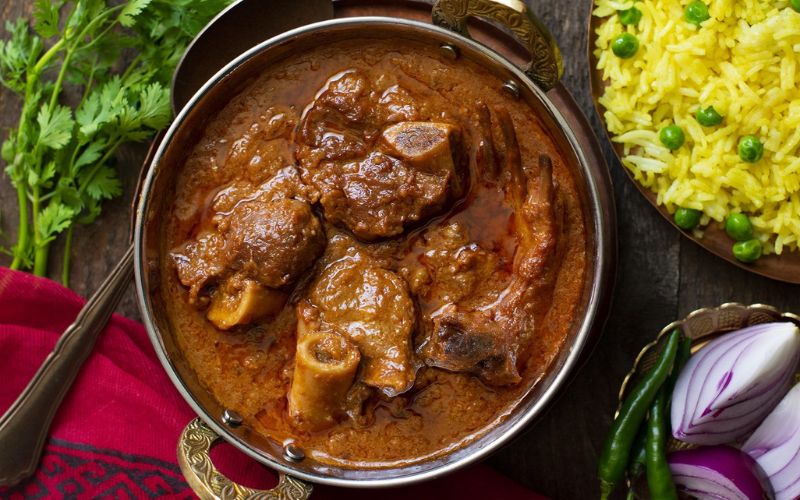
Origin & History: Before becoming the centerpiece of Kashmiri Wazwan, the traditional multi-course Kashmiri feast, rogan josh originated in Persian and Mughal kitchens. "Josh" denotes strong fire or passion, while "Rogan" means oil.
What Sets It Apart: Unlike many Indian curries, Rogan Josh has a unique flavor and a bright red color without being overly spicy because it employs yogurt, Kashmiri red chile, and aromatic spices rather than heavy cream or tomatoes.
Where It's Served: Rogan Josh is now a staple of upscale banquets, casual North Indian restaurants, fine-dining Indian restaurants, and even contemporary QSRs that honor regional Indian cuisine.
Rogan Josh Ingredients
Main Ingredients
- 500g lamb or mutton (bone-in, cut into medium pieces)
- 1 cup yogurt (whisked)
- 2 medium onions (thinly sliced)
- 3–4 tbsp mustard oil (or ghee)
- 2–3 Kashmiri red chilies (whole or powdered)
- 1 tbsp ginger powder
- 1 tbsp fennel powder
- 2–3 green cardamoms
- 2 black cardamoms
- 1-inch cinnamon stick
- 2–3 cloves
- 1 bay leaf
- Salt to taste
Optional / Garnishes (Restaurant-Style Extras)
- Fresh coriander leaves (for garnish)
- Saffron strands soaked in warm milk (for royal touch)
- A dash of cream (used by some restaurants for silkiness)
Restaurant Replacements
For authenticity, restaurants frequently use mustard oil, but for a deeper flavor, you can use ghee instead.
Some casual eateries utilize chicken instead of lamb because it cooks more quickly.
Rogan Josh: Step by Step Method
- Warm mustard oil until it begins to softly smoke. Add the whole spices (bay leaf, cloves, cinnamon, and cardamom) and cook until fragrant.
- Restaurant Tip: To eliminate bitterness, always smoke the mustard oil first.
- Sliced onions should be added and cooked until golden brown. Keep half in the pan and remove the other half for garnish.
- Add the Kashmiri chili powder, fennel powder, and ginger powder. To prevent the spices from burning, stir them quickly.
- Restaurant Tip: To avoid bitterness and to improve color, mix chili powder with a little water before adding.
- After adding the meat pieces, sauté them until they are browned on all sides.
- Reduce the heat, gradually add the whipped yogurt, and stir constantly to prevent curdling.
- Cover, add 2 cups of warm water, and simmer the curry over low heat for 45 to 60 minutes, or until the meat is cooked.
- Serve hot after adjusting the flavor and adding saffron or coriander as a garnish.
Serving & Pairing Ideas
Restaurant plating: Saffron milk or a coriander sprig are frequently placed on top of rogan josh, which is typically served in handi bowls made of copper or brass.
Best Sides: Traditionally served with Kashmiri rice, but it also goes well with jeera rice, naan, or lachha paratha.
Drink Matches: Its spice goes well with a glass of sweet lassi, a strong red wine, or even mild cocktails with citrus undertones.
Nutritional Value (per serving, approx.)
| Nutrient | Value |
|---|---|
| Calories | 380–420 kcal |
| Protein | 25g |
| Carbs | 12g |
| Fat | 28g |
Healthy Swap: Use Greek yogurt instead of cream or trim extra fat from lamb for a lighter version.
Popular Variations
Awadhi Rogan Josh: Makes a richer base by using extra ghee and onions.
Modern Fusion: For modern menus, several restaurants make rogan josh tacos or biryani.
A speedier and lighter version of chicken rogan josh for daily dinners.
Pro Tips for Restaurant-Style Taste
- Use Kashmiri red chili powder at all times; it adds color without being overly spicy.
- Pressure cooking reduces time but compromises flavor depth; slow cooking is essential.
- The two main ingredients of Kashmiri spice mixes are fennel and ginger powders, so don't exclude these.
- Before serving, let the curry rest for at least 15 minutes to enhance its flavor.
FAQs
What is Rogan Josh and where did it originate?
Rogan Josh is a traditional Kashmiri curry made with slow-cooked lamb or mutton in a rich gravy of yogurt, onions, and aromatic spices. It originated in Kashmir and was introduced to India by the Mughals.
Why is Rogan Josh considered a signature Kashmiri dish?
Rogan Josh is considered a Kashmiri signature dish because of its deep red color from Kashmiri chilies, use of warming spices, and slow-cooking method that reflects Kashmiri Wazwan cuisine.
What makes Rogan Josh different from other Indian curries?
Unlike many Indian curries, Rogan Josh uses no cream or heavy tomatoes. Its flavor comes from yogurt, Kashmiri red chilies, and ground spices, giving it a rich yet balanced taste without being overly spicy.
What does “Rogan Josh” mean in English?
“Rogan” means “oil” or “clarified butter” and “Josh” means “intensity” or “heat” in Persian. Together, Rogan Josh translates to “red-hot oil curry” or “spicy, fragrant stew.”
Is Rogan Josh traditionally made with lamb or mutton?
Traditionally, Rogan Josh is prepared with goat meat (mutton in India) or lamb. The slow cooking helps tenderize the meat while infusing it with the rich spices.
What are the key spices used in Rogan Josh?
The main spices in Rogan Josh are Kashmiri red chilies, fennel powder, ginger, cloves, cardamom, cinnamon, and bay leaves. Yogurt is also essential for the creamy texture.
How is restaurant-style Rogan Josh different from homemade versions?
Restaurant-style Rogan Josh often uses clarified butter (ghee) and stock for extra richness, while homemade versions may use less oil and simpler spices.
What can Rogan Josh be served with—rice or bread?
Rogan Josh pairs best with steamed basmati rice, jeera rice, or Kashmiri saffron rice. It also goes well with Indian breads like naan, roti, or paratha.
Is Rogan Josh spicy or mild in flavor?
Rogan Josh is aromatic and flavorful but not overly spicy. Kashmiri chilies give it a bright red color and mild heat rather than intense spiciness.
Can Rogan Josh be made vegetarian or with chicken instead of lamb?
Yes, Rogan Josh can be adapted with chicken, paneer, or vegetables. While the traditional recipe uses lamb or mutton, these variations still carry the same Kashmiri spice base.
Rogan Josh is more than just a curry—it’s a plate of history, culture, and indulgence. Recreate this restaurant-style delicacy at home and bring a piece of Kashmir to your dining table.
Explore more recipes from Kashmiri Cuisine and discover India’s regional food treasures.
 Food and BeverageSourdough bread is valued for more than its taste. It brings together tradition, nutrition, and flexibility in daily meals. Many Indian kitchens now…
 Health and FitnessIncluding beans in daily meals does not require major changes. You can start your day with sprouted mung bean salad. It is light, fresh, and filling.
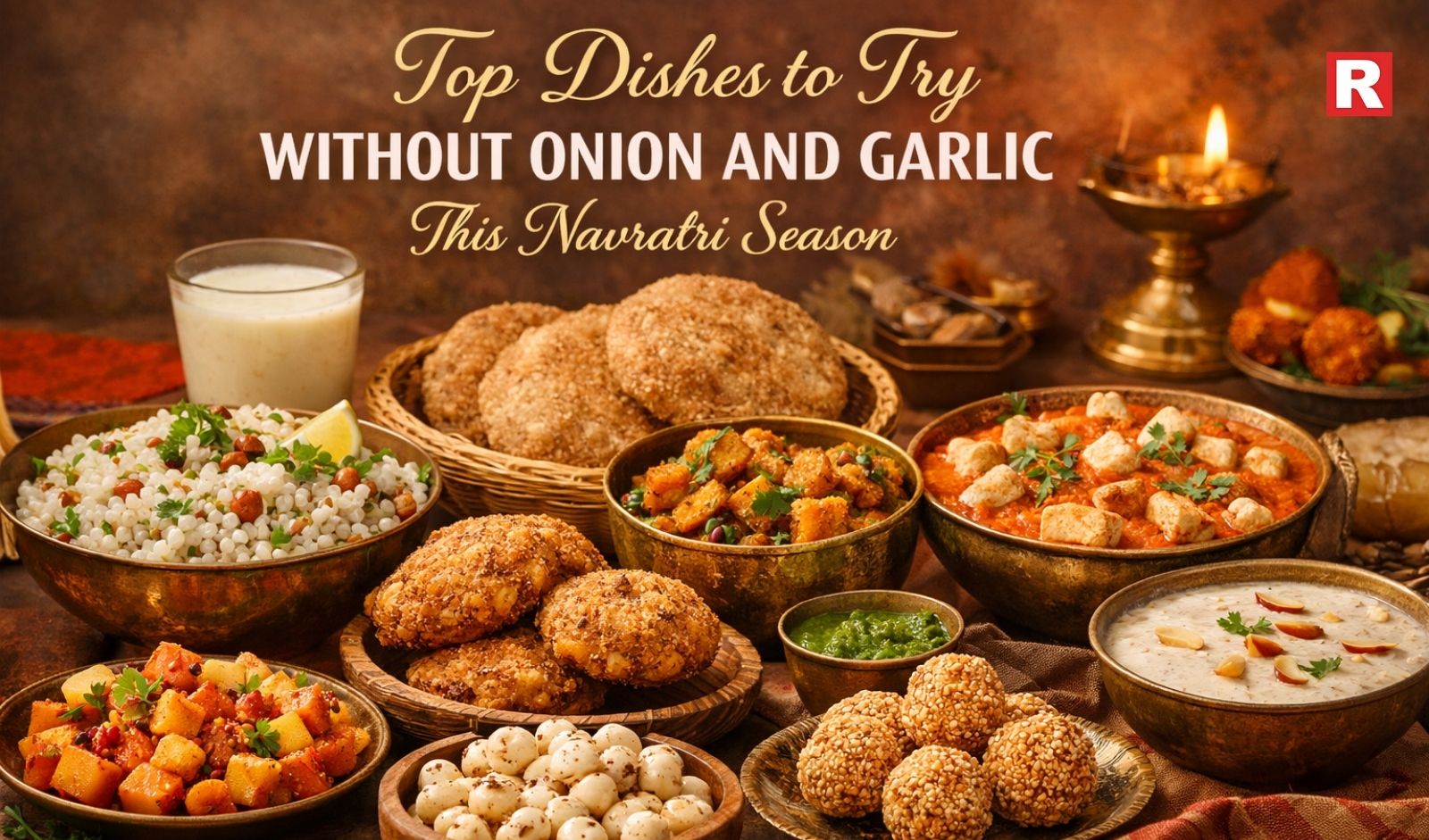 Regional FlavoursNavratri meals are not just about tradition. They also offer several health benefits. Most dishes are light and easy to digest. This gives your…
 Restaurants in IndiaIn an exclusive interview, Hirohama discusses the evolution of the Indian market, cultural adaptation, operational challenges, and Kuuraku’s vision…
Copyright © 2009 - 2026 Restaurant India.