


Indian cuisine, in a global context, still hasn’t captured the market the way it truly deserves to. If you look at the US, for instance, Indian restaurants account for barely one percent of the market. The headroom is enormous. For all its diversity, depth and history, Indian cuisine remains an under-leveraged force on the global culinary stage.
While cuisines such as Italian have secured UNESCO recognition and widespread international dominance, India’s food story — rich with regional nuance and centuries-old techniques — is still unfolding abroad. Over the past decade, there has been visible evolution across North America, the Middle East and Southeast Asia. Yet, compared to its potential, Indian cuisine’s global footprint remains modest.
This gap between potential and presence raises a pressing question, how should Indian food position itself in the world? At the heart of the debate lies the delicate balance between tradition and innovation.
Indian cuisine is deeply emotional. Authenticity is not merely a culinary benchmark; it is cultural memory served on a plate. At the same time, modern diners are asking new questions — about sustainability, about millets, about progressive Indian cuisine, about presentation that moves from platter-style abundance to refined, contemporary plating.
Drawing the Line Between Preservation and Reinvention
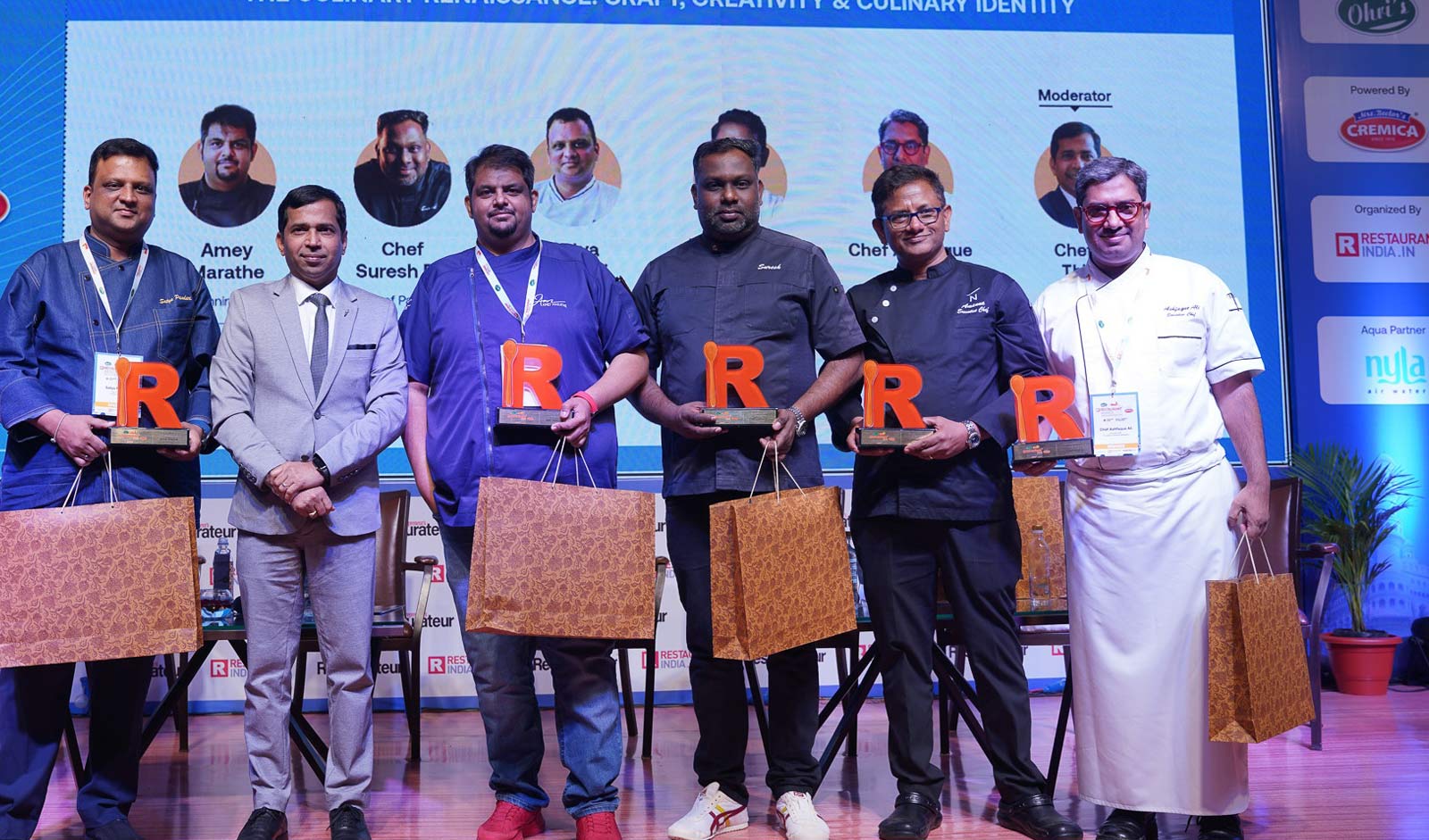
For Amanna Raju, Executive Chef, Novotel Hyderabad, the answer begins with responsibility. “When you operate large kitchens and popular restaurants, one of the most important criteria is respecting customer expectations. If a dish is traditional, it must remain pure and true to its roots. We cannot casually alter recipes that are deeply tied to regional sourcing and heritage,” he shared.
Yet tradition, he admits, is not static. The recent revival of millets is a case in point. As consumer awareness around nutrition and sustainability grew, even time-honoured recipes found themselves wearing a “millet hat.” Innovation entered the kitchen — not to erase authenticity, but to respond to evolving demand.
Still, there are lines that must not be crossed. “If you play with a biryani, it becomes something else,” he shared candidly. “But there is a crowd for experimentation.” The modern diner is curious, sometimes even playful, seeking variations and reinterpretations.
Ultimately, the balance is a negotiation between the chef’s creativity and the customer’s appetite for change. Sourcing remains sacred; if a dish draws its identity from a particular region or ingredient, that essence cannot be compromised in the name of modernity.
As Indian cuisine looks outward to claim a larger global share, its path forward may not lie in choosing between tradition and innovation, but in mastering the art of honouring both.
For Chef Ashfaque Ali, Executive Chef, The Westin Hyderabad Mindspace, the balance between tradition and innovation begins with one non-negotiable principle, protecting flavour. The real taste, authentic ingredients and proper sourcing must always take precedence, while global techniques should function only as tools — never as replacements.
Progressive Indian Cuisine in the Age of Social Media
According to Chef Suresh, Chef Partner at Tuya, the rise of progressive Indian cuisine is part of a broader cultural evolution. Just as fashion and architecture have transformed over time, food too has embraced change — while striving to remain rooted in tradition. “Modernisation is inevitable, but it must stay true to the soul of the dish. In his kitchens, traditional recipes are reimagined in presentation and technique, yet their core flavours and identity remain intact.”
Social media, he added, has become a powerful catalyst in this journey. It not only amplifies creativity by showcasing dishes to a global audience, but also builds awareness and curiosity around Indian cuisine. “Once a new interpretation is created, platforms ensure it reaches far beyond the restaurant’s walls, influencing how traditional flavours are perceived and appreciated today,” he added.
How Far Is Too Far? The Fine Line Between Technique and Identity
“How far can chefs push technique and presentation before a dish stops being recognised as Indian?”
Chef Amey Marathe who has worked with brands like Paradise Biryani and consulted some of the top restaurants in India believed the answer lies in understanding evolution without losing identity. “Cuisine is always evolving, it never stops developing,” he said. Having travelled extensively across India and abroad, he has observed how Indian food is being interpreted globally. For him, going progressive does not mean indulging in mindless fusion. It means thoughtfully reworking a dish, altering its texture, form, plating or presentation — while preserving its core flavour and soul.
He pointed to butter chicken, arguably one of the most globally recognised Indian dishes. “Wherever you travel Europe or the US, people know butter chicken. It has become an identity of Indian cuisine.” Yet, he cautions against superficial reinvention. Simply swapping red tomato purée for green tomato and calling it progressive, as he witnessed at a Michelin-starred restaurant in the US, does not truly evolve the dish.
For Chef Amey, progressive Indian cuisine must begin with respect, understanding a dish’s origin, its authentic flavours and textures and then applying modern techniques to enhance, not erase, its character. Innovation is welcome, he insists, but only when it strengthens identity rather than dilutes it.
Emotion on the Plate: Innovation in a City Rooted in Tradition
In Hyderabad, innovation walks a delicate line. The city’s culinary identity built on biryani, kebabs, haleem and shorba — is not just about food; it is deeply emotional. For many Hyderabadi chefs, these dishes are personal memories as much as professional benchmarks.
“Biryani is not just a dish for us, it’s emotion,” mentioned Chef Satya Pandari, Executive Chef at The Park Hyderabad. “I’m a proper Hyderabadi. When I travel to other cities, the first thing people associate with Hyderabad is biryani.” Yet, he noted with concern that many places attempt to alter the original recipe often reducing it to something closer to a pulao. For him, that shift represents the biggest resistance point: when innovation begins to compromise identity.
He recalled how, three decades ago, paya shorba with sheermal was a classic Hyderabadi breakfast. Growing up in the Old City in the 1990s, he watched live cooking of paya in front of him — a memory that still defines authenticity. Haleem, too, remains an emotional anchor, especially during Ramadan.
Even in small moments, the depth of culinary heritage reveals itself. He remembered meeting an elderly woman on a flight from Mumbai to Hyderabad who passionately explained the correct cut of mutton for biryani, the ideal marination and the precise cooking time. “That is the emotion and authenticity we carry in our food,” he reflected.
When it comes to dishes like patthar ka gosht, resistance also comes from practicality. Few restaurants serve it today, citing cost, sourcing challenges or uncertain demand. But he believed such dishes are essential to preserving the city’s roots. For him, innovation is welcome but never at the cost of cultural memory. Hyderabad’s strength lies in staying true to its authentic foundations, while educating the current generation about the value of its culinary heritage.
The Challenge of Consistency
While innovation drives excitement, maintaining consistency remains one of the biggest challenges. Chef Suresh pointed staffing as a key concern. With frequent job shifts and high attrition in the industry, training becomes an ongoing process. To ensure that every dish tastes the same regardless of who prepares it. Strong standard operating procedures (SOPs) and rigorous training systems are essential. For him, progressive cuisine is not just about ideas, but about disciplined execution.
“Modern equipment and international culinary methods can improve efficiency and consistency, but they must not dilute authenticity. Take biryani, for instance. No matter where it is prepared in the world, its soul lies in the dum process. Kitchens may adopt advanced tools to streamline operations, but the essence — slow cooking, layered aromas and depth of flavour must remain untouched. Innovation, in his view, should strengthen tradition, not alter its identity,” concluded Chef Ali.
-
Indian cuisineThis gap between potential and presence raises a pressing question, how should Indian food position itself in the world? At the heart of the debate…
 LeadershipIndustry observers note that leadership hires with deep QSR expansion experience are increasingly critical as regional chains transition into multi-…
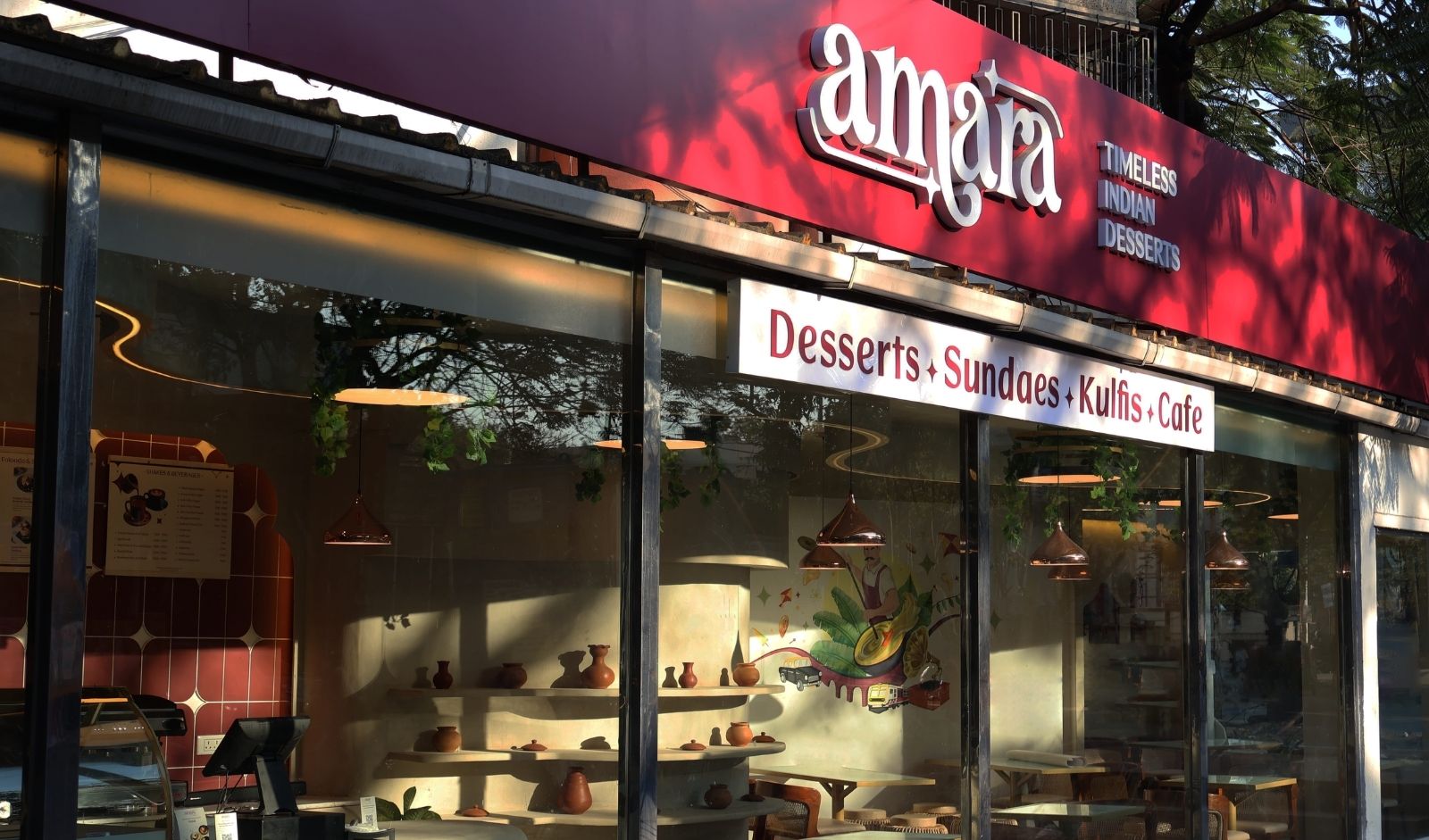 New outletAmara’s entry signals a growing opportunity for regionally rooted, format-driven frozen dessert concepts to scale within metropolitan markets.
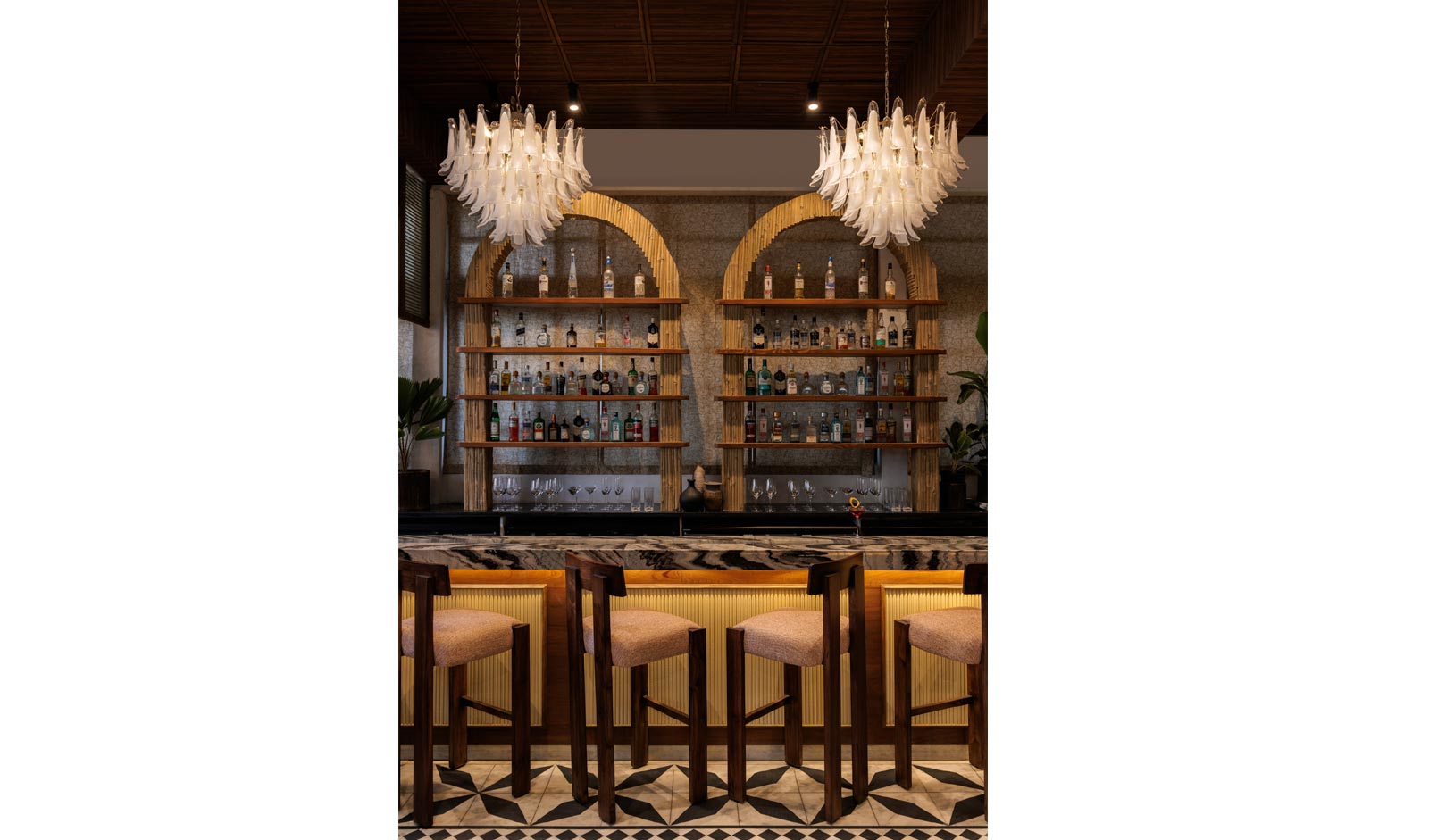 Fine dineThe kitchen is rooted in domestic Thai traditions - bold, coconut-rich Southern flavours layered with turmeric and fermented pastes, alongside the…
Copyright © 2009 - 2026 Restaurant India.