


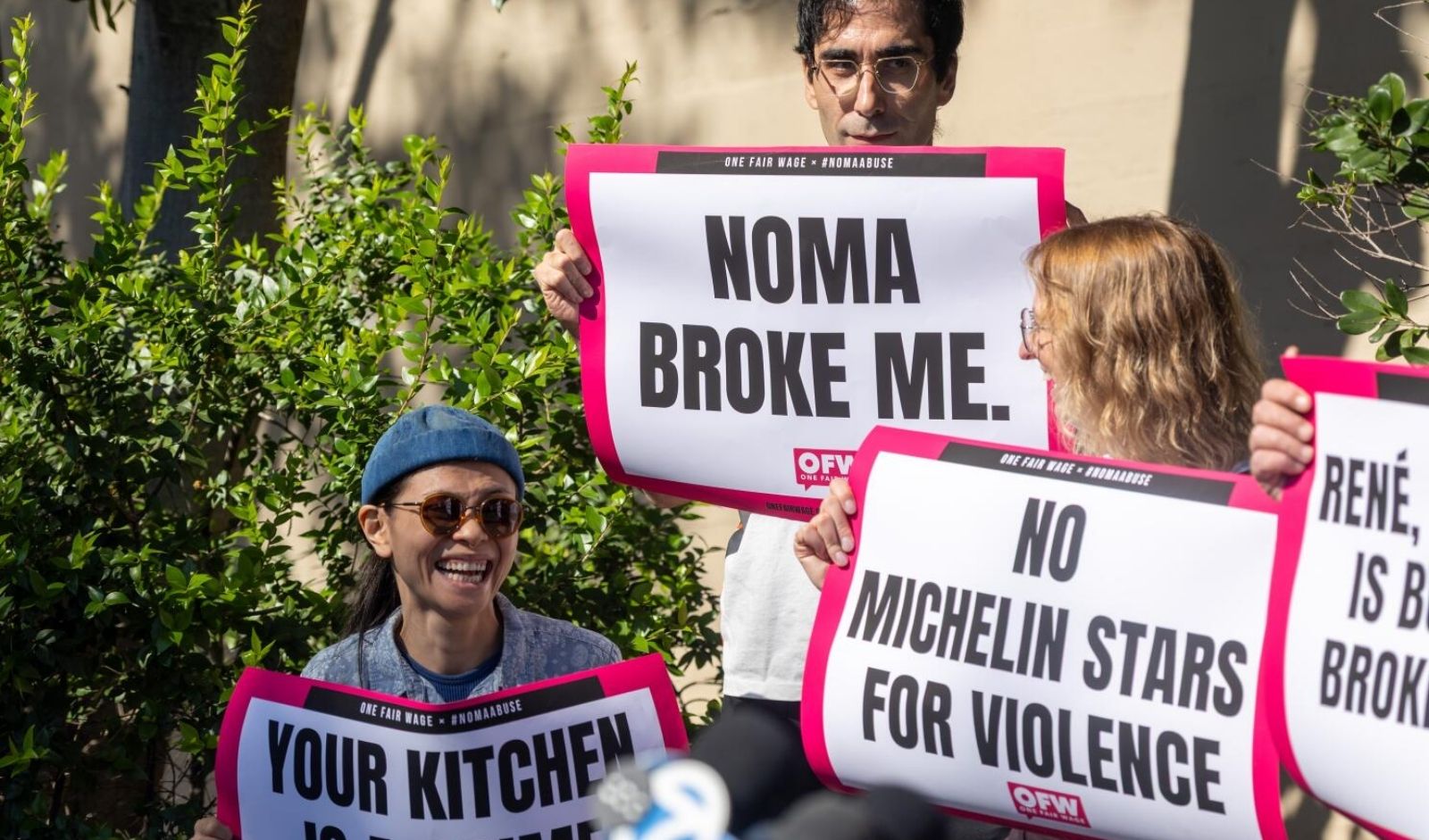
The global hospitality industry is witnessing renewed scrutiny of kitchen workplace culture following the recent developments involving Rene Redzepi, widely regarded as one of the world’s leading chefs. The situation has intensified discussions around leadership practices, accountability, and working conditions in high-performance restaurant environments.
Historically, professional kitchens have operated under a strict hierarchy known as the “brigade de cuisine,” a system introduced by Georges Auguste Escoffier. Built on military-style discipline, the structure assigns clearly defined roles across kitchen stations to ensure efficiency, consistency, and speed. However, over time, the model has also been associated with aggressive management styles and high-pressure environments.
The culture has been reinforced by industry figures such as Marco Pierre White, who in his memoir The Devil in the Kitchen described an environment driven by fear-based discipline. “If you don't fear the boss, you'll take shortcuts, you'll turn up late,” White wrote, adding that his staff accepted such conditions. “They were all pain junkies, they had to be. They couldn't get enough of the bollockings.”
This approach has also been reflected in mainstream media portrayals, from reality television featuring chefs like Gordon Ramsay to scripted series such as The Bear, where intense kitchen dynamics are often normalised.
The recent controversy surrounding Redzepi, founder of Noma, has brought these issues into sharper focus. Redzepi stepped down after reports surfaced detailing alleged incidents of workplace misconduct between 2009 and 2017. The restaurant, which holds three Michelin stars and has topped the World’s 50 Best Restaurants list five times, has faced criticism over staff treatment and the use of unpaid interns.
Redzepi issued a public statement, saying, “An apology is not enough,” and added, “I take responsibility for my own actions.”
Former employees have alleged instances of physical and verbal misconduct, including intimidation and threats impacting career progression. Testimonies shared publicly by former staff have gained significant traction online, with some individuals citing long-term mental health impacts. One account stated, “Noma destroyed my passion for the industry,” highlighting issues such as anxiety and burnout linked to workplace conditions.
Academic research and industry commentary suggest that such environments are not isolated cases. Robin Burrow, associate professor of organization studies at the University of York, noted, “The resources aren't there for self-policing,” adding, “The general feeling though, is that things are so tough even for very good chefs that this kind of culture ends up being inevitable.”
The structural challenges of the restaurant business—including tight margins, long working hours, and limited human resource frameworks—have historically limited oversight. Studies, including research conducted by Cardiff University involving 47 chefs, indicate that hierarchical kitchen systems can lead to “feelings of invisibility, alienation and detachment” among junior staff.
Accounts of harsh kitchen conditions are not new. Writer George Orwell, in Down and Out in Paris and London, described kitchens as highly stratified workplaces where pressure cascaded down the hierarchy. “A plongeur is one of the slaves of the modern world,” he wrote, reflecting on his own experience at the lowest level of the system.
Industry narratives have also been shaped by figures like Anthony Bourdain, whose memoir Kitchen Confidential portrayed kitchens as environments marked by “heated argument, hypermacho posturing and drunken ranting,” contributing to the long-standing perception of intensity as part of culinary excellence.
The Redzepi case has prompted broader conversations around whether traditional leadership models in fine dining remain viable in a changing workforce environment. Increased visibility through digital platforms and employee advocacy is placing additional pressure on operators to address workplace standards.
While some industry stakeholders argue that high-pressure conditions are inherent to fine dining, others are calling for structural reforms, including better HR practices, clearer accountability mechanisms, and a shift away from fear-based management.
Redzepi himself acknowledged these challenges in earlier reflections, stating, “The only way we will be able to reap the promise of the present is by confronting the unpleasant legacies of our past,” and added the need for “collectively forging a new path forward.”
The outcome of this ongoing debate is expected to influence hiring practices, training models, and leadership approaches across the global hospitality sector, particularly within premium and fine dining formats.
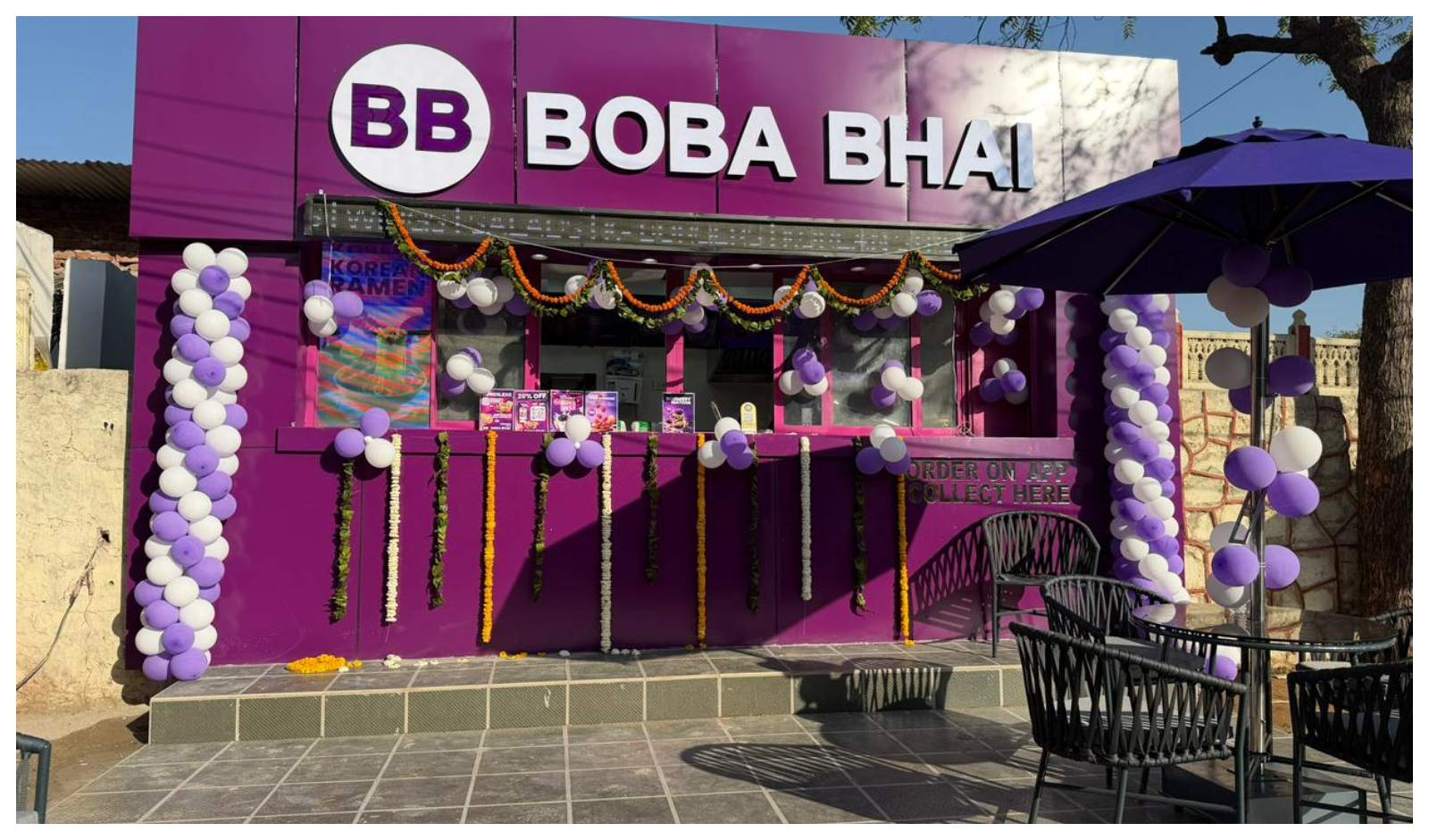 Restaurants in IndiaThe outlets are located in Malviya Nagar and Raja Park, strengthening the brand’s presence in Rajasthan and North India.
-
KitchenThe outcome of this ongoing debate is expected to influence hiring practices, training models, and leadership approaches across the global…
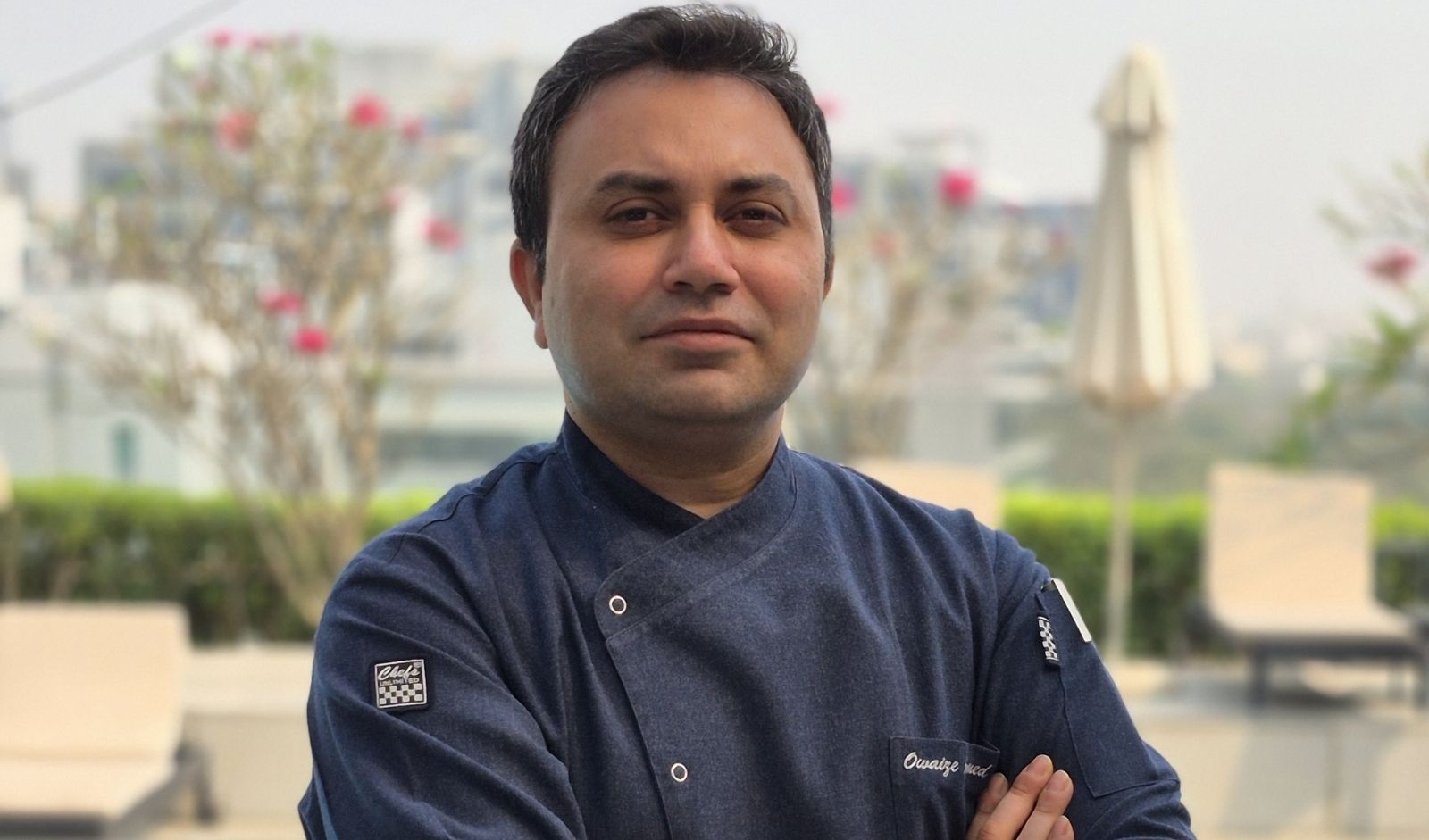 LeadershipThe appointment reflects a broader industry trend where hotel operators are investing in experienced culinary leadership to drive consistency,…
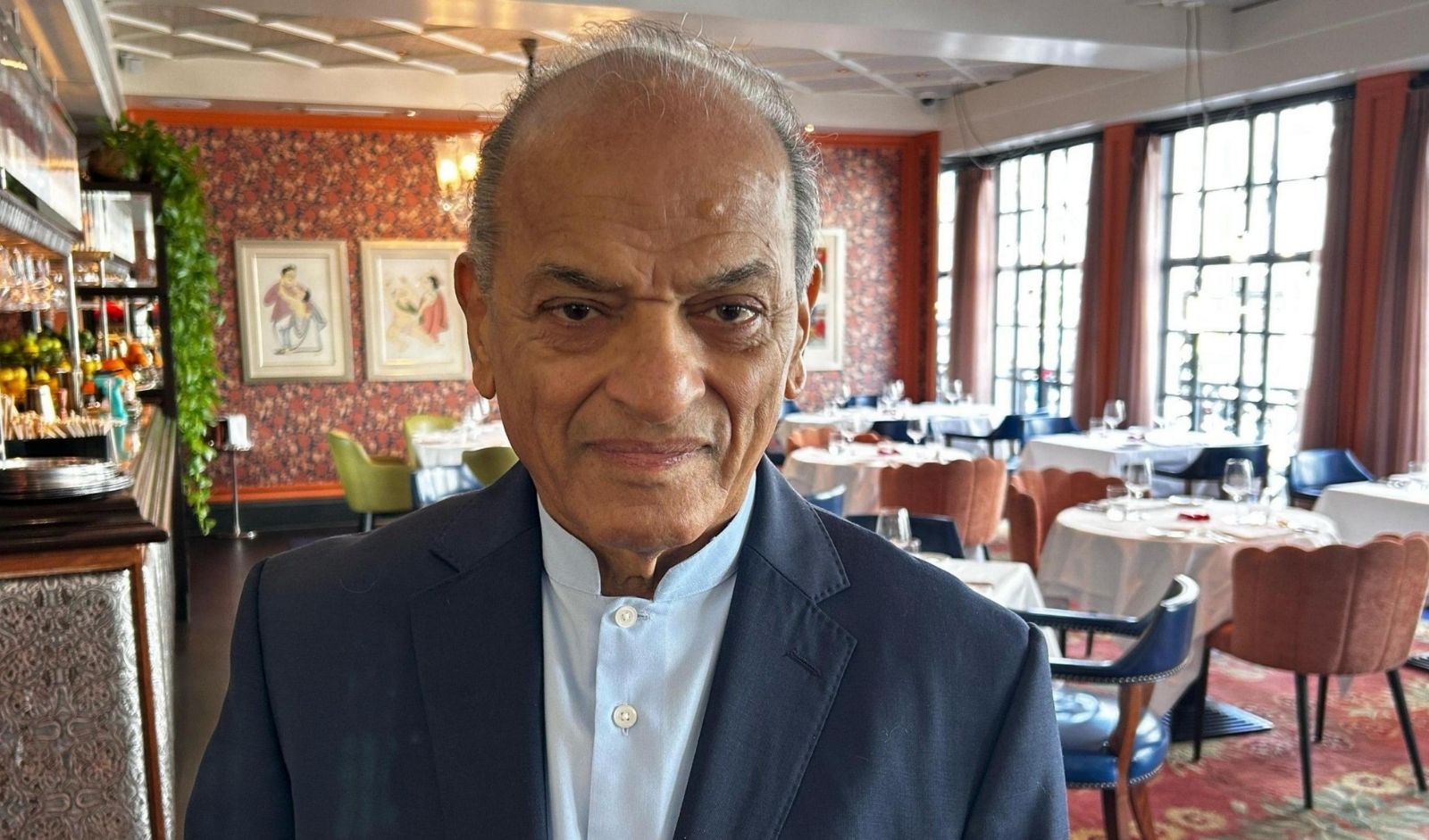 ExpansionThe milestone comes amid an ongoing dispute over its lease at the same location, creating uncertainty around its continued presence at the site.
Copyright © 2009 - 2026 Restaurant India.