


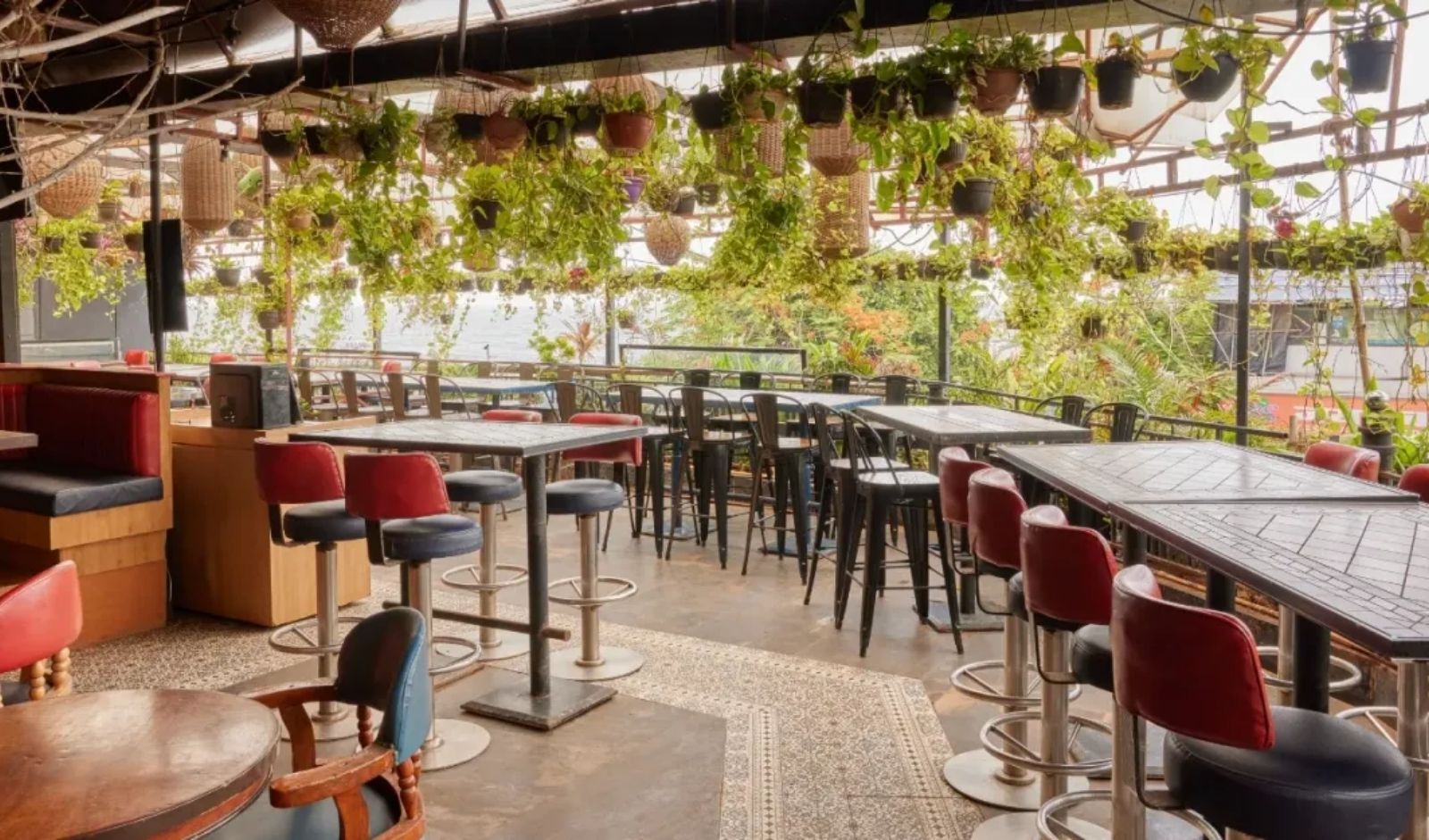
The Central Consumer Protection Authority (CCPA) has imposed a penalty of Rs 50,000 on China Gate Restaurant Private Limited, the operator of the Bora Bora restaurant chain in Mumbai, for levying mandatory service charges on customers in violation of consumer protection guidelines.
In an order dated December 29, the CCPA stated that the restaurant was automatically adding a 10 per cent service charge to customer bills and further levying GST on the same amount. This practice continued despite clear regulatory guidelines that service charges are voluntary and cannot be applied by default.
The action was initiated following a complaint lodged by a Mumbai-based consumer through the National Consumer Helpline. According to the complaint, the Bora Bora restaurant declined to remove the service charge from the bill and allegedly misbehaved when the issue was raised by the customer.
The authority noted that the Delhi High Court, in its March 28, 2025 ruling in the case of National Restaurant Association of India versus Union of India, had upheld the CCPA’s guidelines and explicitly ruled that mandatory service charges are illegal. Despite this judicial clarity, the restaurant continued to levy service charges by default through its billing system.
A detailed investigation conducted by the CCPA’s director general (investigation) found that service charges were automatically added to all customer bills between March 28 and April 30, 2025. The findings established that the charge was imposed uniformly and was not optional in nature.
The investigation also revealed multiple compliance failures, including the restaurant’s inability to resolve the consumer complaint despite repeated notices, the collection of GST on the service charge in contravention of existing guidelines, and the presence of a non-functional email address, which restricted access to grievance redressal mechanisms for consumers.
While the restaurant claimed that the service charge was discretionary and stated that the practice had been discontinued after it became aware of the court ruling, the CCPA observed that no evidence was submitted to demonstrate compliance during the relevant period. The authority further noted that the refund to the complainant was processed only after regulatory intervention.
Taking into account that the restaurant operates multiple outlets across Mumbai, the CCPA highlighted that such practices had the potential to impact a significant number of consumers. The authority has directed the company to modify its billing software to remove the default service charge, ensure that consumer grievance channels remain functional at all times, and submit a compliance report within 15 days.
From a hospitality industry perspective, the order reinforces regulatory scrutiny around billing transparency and compliance, and serves as a reminder for restaurant operators to align internal systems with consumer protection laws to avoid legal and reputational risks.
 ZomatoEternal-owned Zomato and Blinkit, which lead the food delivery and quick commerce segments, together delivered over 75 lakh orders on New Year’s Eve.
-
Business activitiesTaking into account that the restaurant operates multiple outlets across Mumbai, the CCPA highlighted that such practices had the potential to impact…
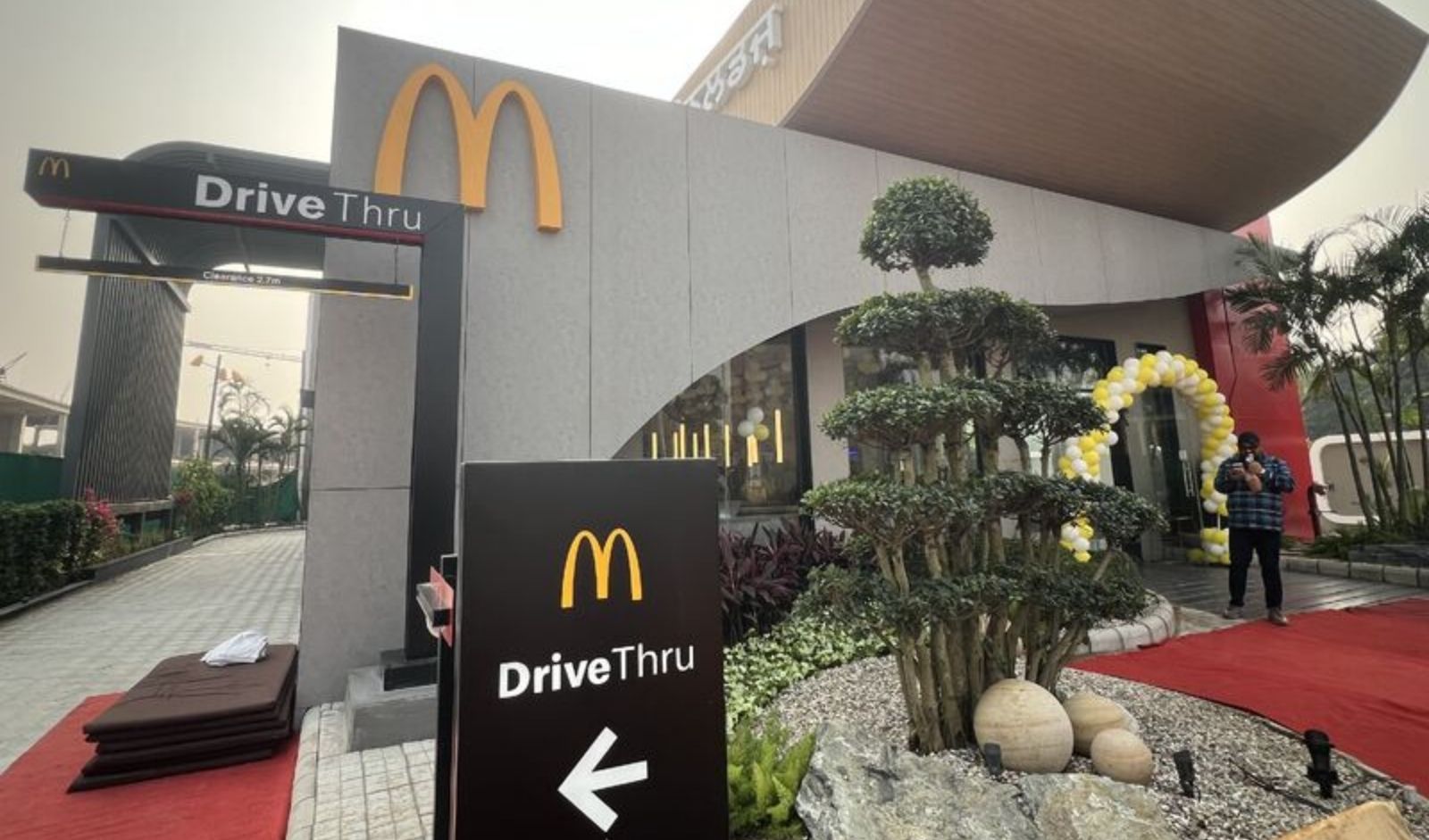 Mc Donald'sThe Ludhiana launch underscores the brand’s broader expansion approach of combining location-driven growth with technology-led customer engagement in…
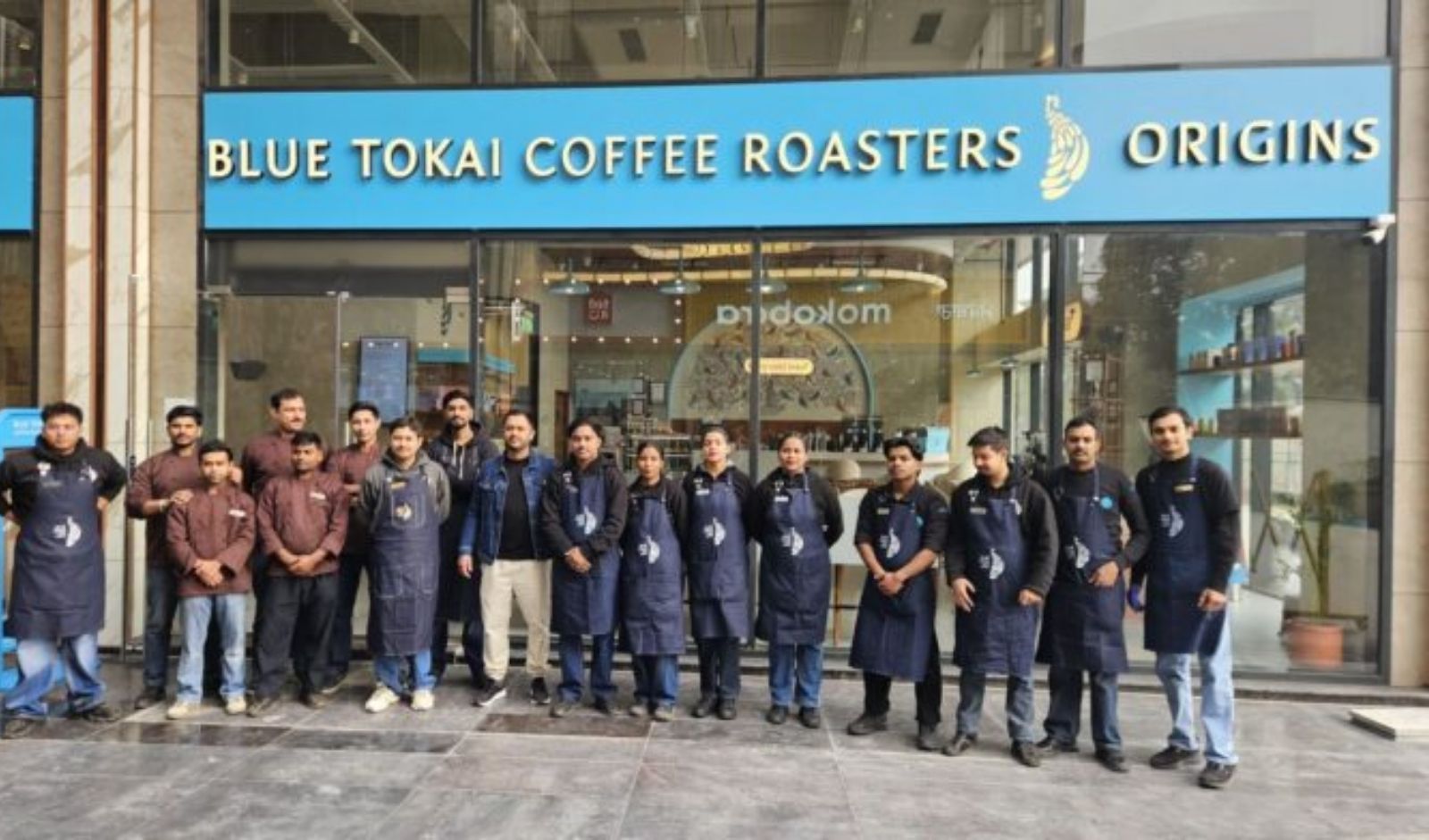 Restaurant India News: Blue Tokai Launches Origins Café in Mohali, Strengthens Specialty Coffee PlayExpansionBlue Tokai is working towards opening 100 stores annually and aims to reach a total network of 350 stores by 2027, underlining its intent to…
Copyright © 2009 - 2026 Restaurant India.