


Walmart-owned Flipkart is preparing to enter India’s online food-delivery market, currently dominated by Zomato and Swiggy. The e-commerce company is testing its service in Bengaluru and plans to expand to other cities following a public launch. As per sources, Flipkart has expanded its internal trials from a few hundred employees to more than 8,000. It has also deployed a dedicated delivery fleet through its logistics arm, Ekart, to handle food orders separately from its quick-commerce deliveries.
The service, called Eat-in by Minutes, is available as a separate tab on Flipkart’s shopping app alongside its quick-commerce platform, Minutes, and travel bookings. It lists restaurants through the government-backed Open Network for Digital Commerce (ONDC) as well as restaurants onboarded directly by Flipkart.
The company is entering a growing market where Zomato, operated by Eternal, and Swiggy have established a strong presence. Brokerage firm Bernstein estimates that India’s food-delivery market is growing at 18% to 20% annually. However, online orders account for just over 15% of the country’s overall food-services industry, indicating further room for growth.
Flipkart is among several companies looking to challenge the existing players. Rapido has been expanding its food-delivery service, Ownly, which charges restaurants zero commission. Swiggy has also introduced Toing, a separate app targeting customers looking for more affordable meals.
The entry of new players could provide restaurants with alternatives to the high commissions charged by established platforms. Sagar Daryani, president of the National Restaurant Association of India (NRAI) and co-founder and CEO of Wow! Momo Foods, said Flipkart has proposed a base commission of around 10%. This compares with the 20% to 25% that restaurants typically pay Zomato and Swiggy.
However, commissions are only one part of the cost. Advertising, discounts and other promotional expenses can push the total cost for restaurants to 40% to 50% of an order’s value on existing platforms, Daryani said. He expects Flipkart to keep the overall cost at around 15% to 16%, potentially improving restaurant profitability.
The food-delivery expansion comes as Flipkart’s planned initial public offering remains uncertain. Chief Executive Kalyan Krishnamurthy has not provided a timeline for the listing. The company’s move into food delivery could help strengthen its broader digital commerce ecosystem and encourage customers to use its platform more frequently.
 Restaurants in IndiaInspired by the secret drinking establishments of the Prohibition era, Biri Biri focuses on privacy, intimate hospitality and a carefully designed…
-
Online Food DeliveryThe service, called Eat-in by Minutes, is available as a separate tab on Flipkart’s shopping app alongside its quick-commerce platform, Minutes, and…
 Beverage industry indiaSazerac is keen to keep John invested in the company and involved in its Indian business. John Distilleries is estimated to be worth around ₹4,500…
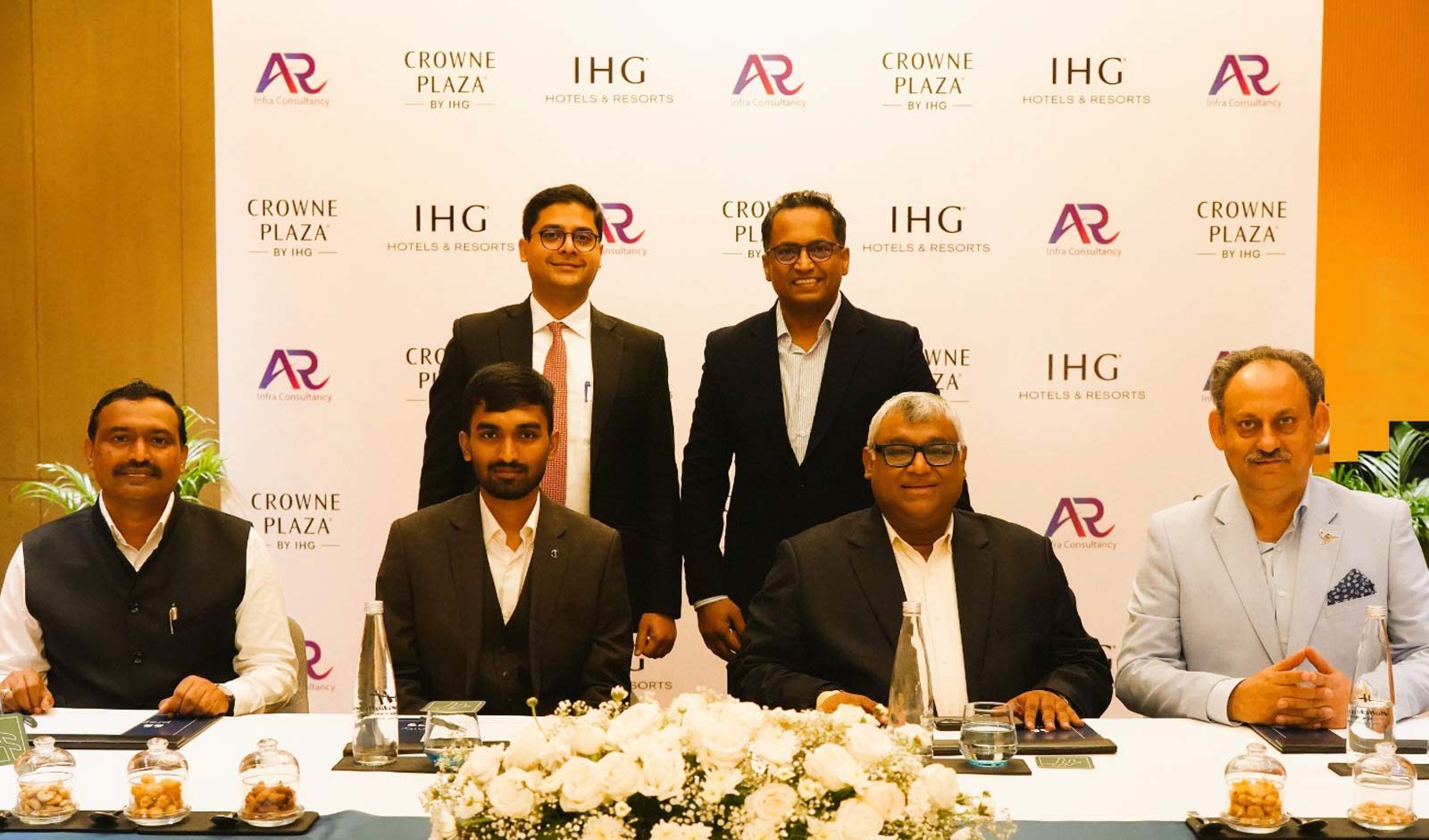 Crowne PlazaThe hotel will feature five food and beverage outlets, including a 187-seat all-day dining restaurant, a 65-seat bar, a 65-seat specialty restaurant…