


Correspondent, IndianRetailer.com & Retailer Media Jun 06, 2025/


Restaurant Brands International (RBI), which owns Burger King, Tim Hortons, Popeyes, and Firehouse Subs, is planning to accelerate global unit growth despite recent challenges, particularly in China—its second-largest restaurant market.
While Burger King has regained some stability in the U.S. following the closure of hundreds of underperforming outlets, the brand continues to face significant hurdles in China. “The big variance is China,” said Patrick Doyle, Executive Chairman of RBI, during the Deutsche Bank Access Global Consumer Conference. “We had a number of years, five years in a row, where we had 300-plus in China. We need to get back to that.”
RBI has set a target of achieving 5 percent annual unit growth by 2028. To meet this goal, the company plans to leverage expansion opportunities across all its brands.
Tim Hortons, RBI’s dominant chain in Canada, is being positioned for renewed domestic growth despite its current store count being around 200 lower than in 2019. “We actually think we can penetrate more deeply in areas of Canada where we are underpenetrated,” said Doyle. The company views this market as integral to achieving net growth of 400 new locations in North America.
Popeyes and Firehouse Subs are expected to contribute significantly to this North American growth. Popeyes has added an average of 134 outlets annually in the U.S. over the past five years, while Firehouse added nearly 100 domestic outlets last year, with expectations for increased expansion under RBI, which acquired the brand in 2021.
However, Burger King remains a critical variable. The chain closed 77 locations in the U.S. last year and approximately 400 over the past three years, largely due to financial issues among franchisees and weak performance. Despite the contraction, Burger King has accounted for 90 percent of RBI’s total unit growth since 2019. “At some point we’ll get back to growth,” Doyle said. “But right now just getting it solid would be good, and an improvement from where we’ve been.”
Internationally, RBI continues to push expansion. In 2023, Popeyes added 282 new international locations, Tim Hortons added 196, and Firehouse secured a major deal in Mexico. Burger King, though slowed in China, still added 410 outlets globally—representing 46 percent of RBI’s international unit growth outside the U.S. and Canada.
In 2019, Burger King alone accounted for 87 percent of international growth. In China, it opened 285 stores in 2019 compared to just 113 last year. Currently, Burger King operates just under 1,500 locations in China.
To support growth in China, RBI invested Rs 374 crore ($45 million) in Tim Hortons China last year and also acquired full ownership of Popeyes China. In early 2024, the company acquired Burger King China for Rs 1,318 crore ($158 million) and is now working with Morgan Stanley to identify a new local operator.
“We’ve never had all three of the brands that are currently in China clicking at the same time. We’ve got to get that fixed,” noted Doyle.
Doyle said RBI’s growth goal of 5 percent is attainable, estimating contributions of 400 new stores from North America, 300 in China, and 1,100 in other international markets. “We’ve just got to get China back to where it was,” he said. “And if we can get all the brands clicking, it can probably do better than that.”
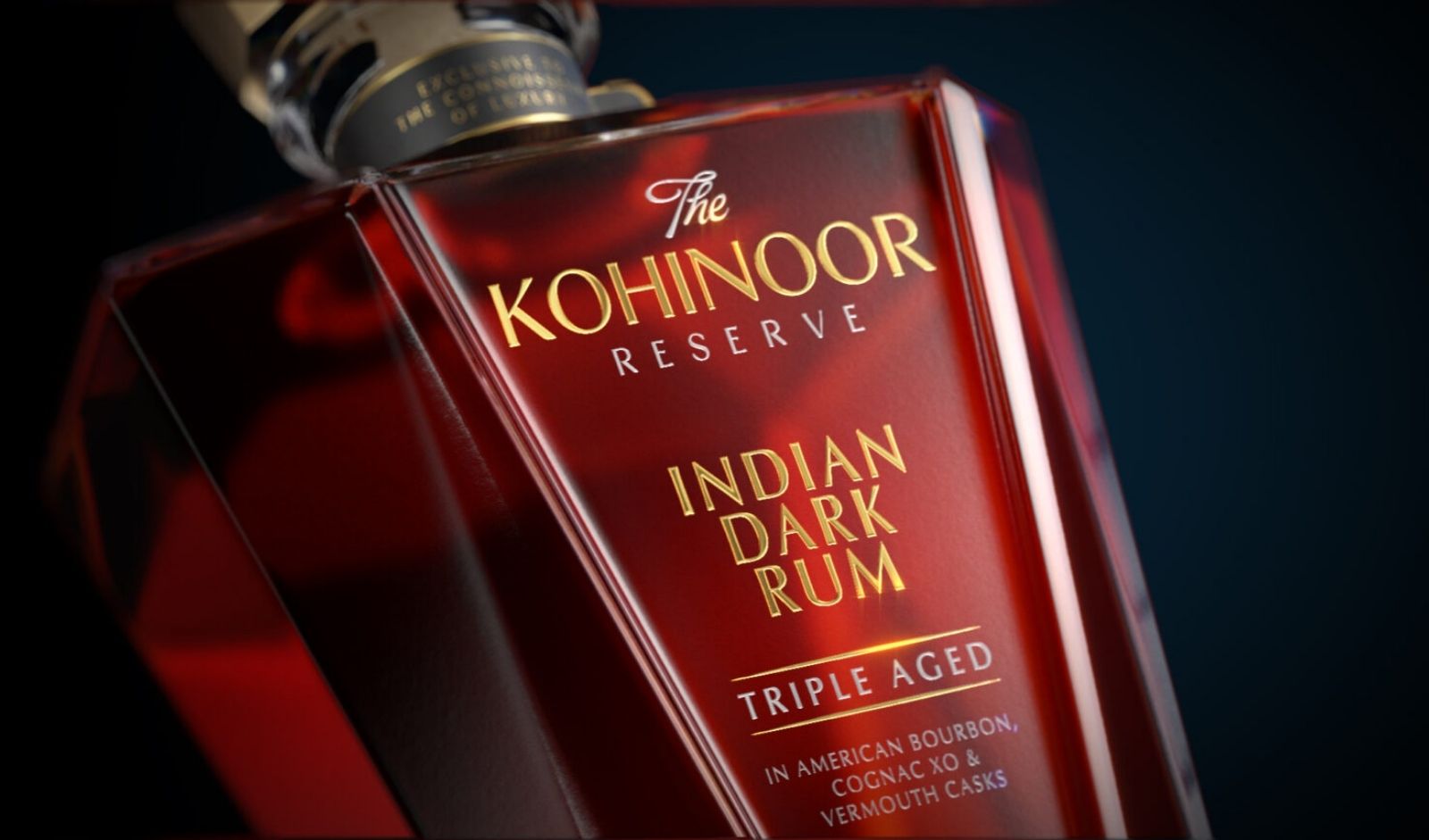 AlcoholThe phased rollout reflects Radico Khaitan’s market-specific pricing and distribution strategy as it targets urban consumers and premium outlets…
 ExpansionAs Gurgaon continues to attract premium F and B investments, Lair’s entry underscores the market’s readiness for concepts that prioritize experience…
 Indian QSRIts upper curve subtly echoes the silhouettes of a traditional Rajasthani turban, symbolizing honour and warm hospitality, while the fluid lines…
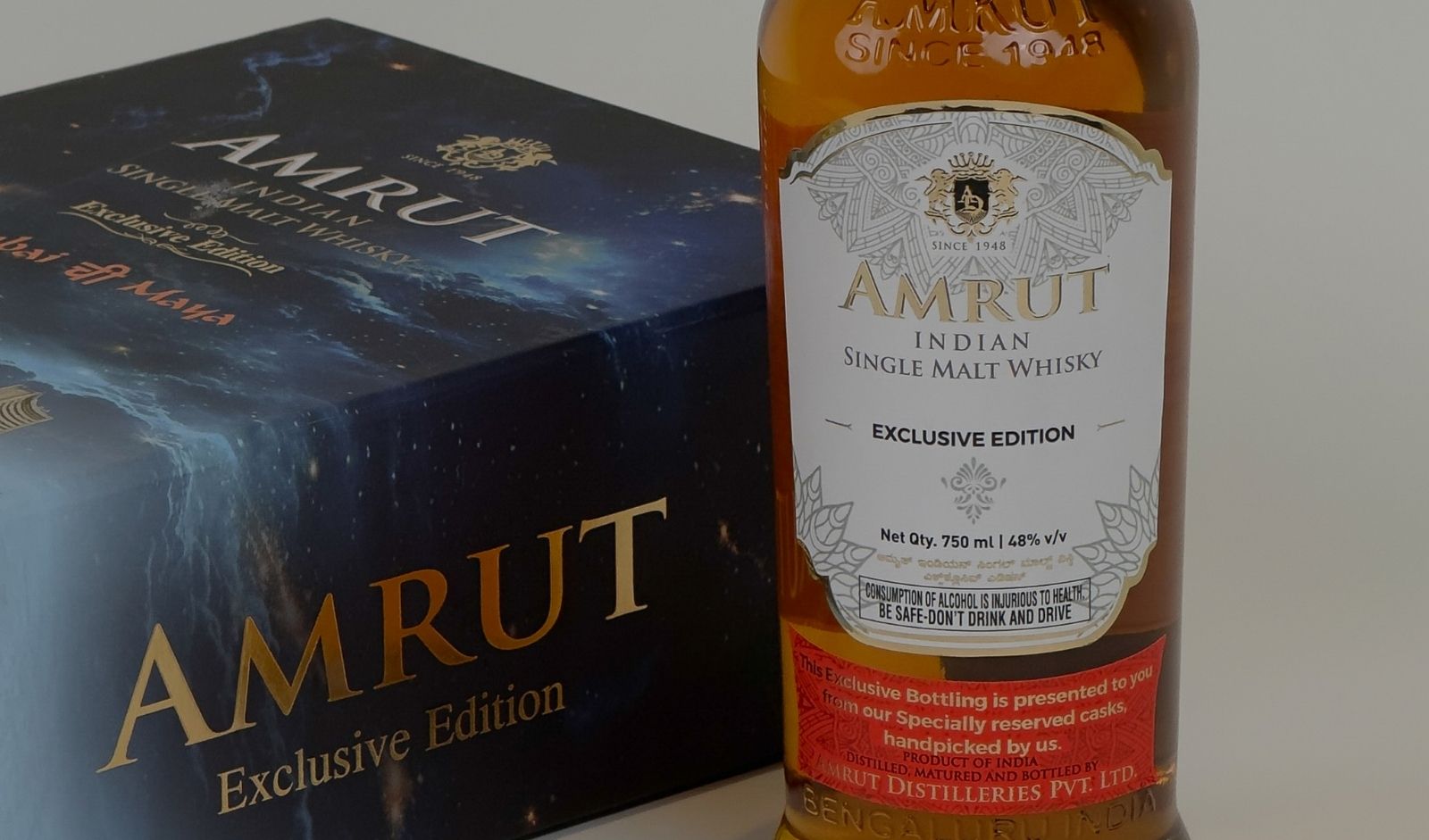 ExpansionFor the hospitality and retail sectors, the launch reflects a growing trend of city-specific, story-driven spirits aimed at urban consumers and…
Copyright © 2009 - 2025 Restaurant India.