





Technology is slowly and gradually gripping the roots of everyday life. Our dependence on technology especially in our day to day life has made technology stronger, which is why one can witness the penetration of technology in almost every industry possible on the face of planet, Earth.
The "Global Medical Aesthetics Industry: Injectables, Energy-Based Devices, Cosmeceuticals, Cosmetic Surgery, Facial Aesthetics, Implants, Cosmetic Tourism. Market Analysis & Forecast to 2022" report analysis indicates that the current medical aesthetic industry is worth $53.3 billion for both service and product revenue. Over the next five years a CAGR of 5.5% is expected and the market will hit $73.6 billion in 2022.
Currently, invasive aesthetic procedures generate revenues of over $27.8 billion, annually. The analysis indicates that by 2022, invasive aesthetic procedures will grow at a CAGR of 4.3%. Non-invasive procedures generate approximately $16.7 billion per annum and will grow at a CAGR of 4.5% over the coming five years. Cosmetic surgery products generated $8.8 billion in 2016 and have the potential to reach $15.3 billion in 2022.
Here are some of the reasons as why aesthetics industry has successfully created a revolution in the Indian wellness market:
Medical Benefits:
The medical aesthetic surgeries have proved to be boon for the medical benefits. Earlier when people were unable to remove deadly carcinogenic cells, tumors and overgrown body features, or when the procedures used were painful, people were scared of using it.
Now when the technological advances have made these procedures painless, wearable and affordable, which is one of the reasons why a lot of Indians have accepted the revolution wholeheartedly.
Breaking Myths:
When the aesthetics and laser technology was new, people were scared of the side effects. Now after seeing many celebrities using it and leading a normal life, the myth has been busted.
“The awareness among people about laser technology is increasing. There was a phase and time in India when people were scared of the side-effects of laser therapy of any kinds, be it for cancer, eyes, hair removal or hair loss. But, all those things have changed a lot. The kind of technology which is developed in different fields, I believe that the future of laser treatment is looking so much better,” said Sanket Shah, CEO and Owner, Advance Hair Studio Indian Subcontinent and Middle Eastern Region.
Awareness:
“The driving factors have increased awareness and made options available for permanent self-beautification. Celebrities and socialite openness about procedures, they have done, has increased desires of women, men to look young, attractive and fit. The rising social pressures to look perfect and high disposable income have added into the factors as well,” suggests American Celebrity Dermatologist, Dr Kiran Lohia, Medical Director and MD at Lumiere Dermatology, New Delhi.
When people witnessed surprising transformation in the looks of celebrities, it opened bought the confidence of people on Indian aestheticians.
Fascination:
We are all obsessed with perfect skin tone, perfect body features and everything perfect from tip of the hair to the end of the toe; more or less what we see on magazine covers or television screen and this obsession is where the aesthetic market grows.
This fascination has made people depend upon the aesthetic surgeons, which is why medical spas and clinics are thriving on this fascination of people.
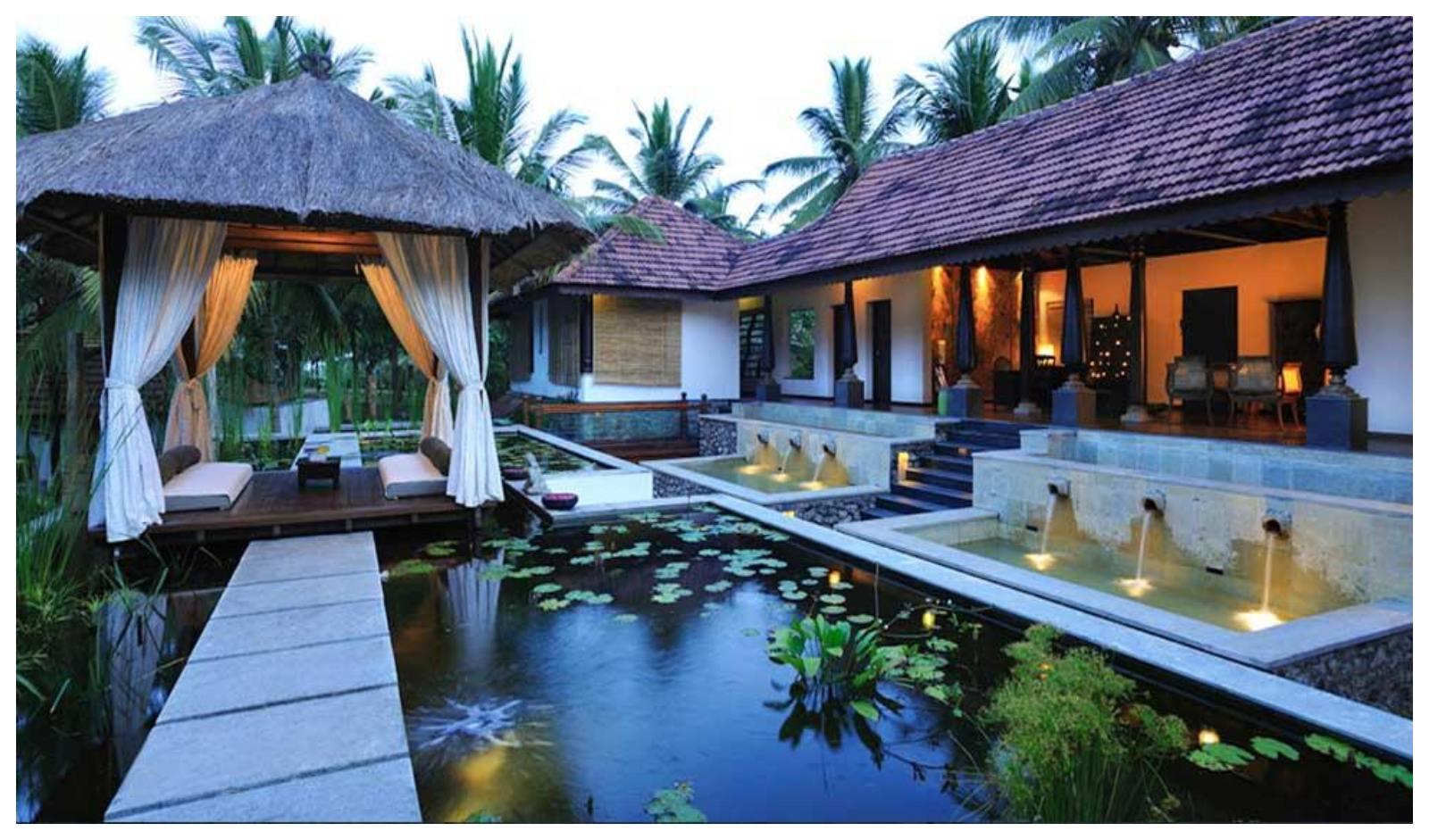
Luxury hospitality is being redefined by a growing focus on well-being. Today, true luxury is measured not just by lavish amenities but by how a stay enhances a guest's physical, mental and emotional health. As a result, wellness resorts have evolved from niche retreats into one of hospitality's fastest-growing segments.
According to Grand View Research, the global wellness tourism market is expected to reach US$2.4 trillion by 2035, growing at a 9.3% CAGR. IMARC Group also projects strong growth, estimating the market will expand US$1.72 trillion by 2034, supported by personalised wellness, AI-driven experiences and sustainable tourism.
Gen Z and Millennials Redefining Luxury Travel
Younger travellers are redefining luxury by placing greater value on authenticity, purpose and experiences over material indulgence. They are drawn to destinations that reflect their values, whether that's sustainability, wellness, local culture or conservation.
“We find that many guests are just as interested in understanding our restoration journey and biodiversity as they are in enjoying the comforts of the resort. They want travel to feel meaningful, and increasingly, the memories they take home matter more than the amenities they leave behind,” commented Tanishq Tripathi, Director, Aahana Resort and Spa.
Explaining further, Abhilash K Ramesh, Executive Director Kairali Ayurvedic Group said, “Gen Z and Millennials today prioritise authenticity, purpose, sustainability, and memorable experiences over material indulgence. They seek personalised journeys, local cultural immersion, wellness, adventure, and environmentally responsible destinations. Their preference for meaningful travel is encouraging luxury resorts to focus on experiences, community engagement, and conscious hospitality rather than traditional displays of opulence.”
Making Wellness a Core Investment
Luxury hotels are increasingly investing in wellness as evolving traveller preferences redefine the meaning of luxury. Affluent guests today are placing greater value on experiences that enhance their overall quality of life rather than material indulgence.
Adding to this, Vamsi Sai, CEO, Himalia Prime Assets said, “Travelers aren't just looking for comfort anymore they want to leave feeling genuinely better than when they arrived, and that's changing what a resort has to be. We're not talking about add-on treatments anymore; we're talking about destinations built around preventive health, mindfulness, movement, and nutrition all working together, not sitting in silos so making a core investment in this is very much important going further.”
According to the latest Wellness Real Estate Report by RLA Global and HotStats, insights from over 11,000 hotels across the globe highlight the growing pace at which the hospitality industry is embracing wellness-focused investments as a key part of its business strategy.
Sustainability & Wellness
Sustainability and wellness are becoming inseparable in luxury hospitality, as travellers increasingly expect resorts to care for both personal well-being and the environment. Hotels are responding with farm-to-table dining using locally grown organic produce, biophilic design that incorporates natural light and greenery, chemical-free spa therapies featuring herbal and Ayurvedic ingredients, and sustainable practices such as solar energy, rainwater harvesting, and waste reduction.
While, Mehardeep Singh, General Manager, Corporate Affairs, Rubystone Hospitality feels that sustainable practices also help to support and enhance the overall sustainability of hotels and their guests’ well-being by utilizing green building materials, using organic foods and beverages wherever possible, and offering nature-based activities as part of wellness experiences.
However, Sai stated that when your design is eco-conscious, your food is locally sourced, and your experiences are rooted in nature, that's not a separate initiative.
Technology is Personalising Wellness
Technology is enabling luxury hotels to deliver highly personalised wellness experiences. Smart rooms with circadian lighting, air purification, temperature controls, and sleep-enhancing features further improve guest wellbeing. Many resorts also extend wellness beyond the stay through digital health platforms and virtual consultations, creating a seamless, personalised wellness journey.
“Technological advances will continue to improve personalization opportunities based on guest's health-related behaviours and preferences through the use of artificial intelligence (AI) to evaluate guests' health habits, provide wearable devices, and implement individualized nutrition and complete fitness plans,” shared Singh. Industry estimates indicate that hospitality businesses are increasing their technology investments by approximately 8% to 15% each year.
Future Revenue Model for luxury resorts
The future of luxury hospitality will be built less around selling rooms and more around creating destinations that guests want to experience more deeply.
“We've seen travellers stay longer because they come for more than accommodation. They come to reconnect with nature, spend time with family, enjoy wellness experiences and immerse themselves in the landscape,” mentioned Tripathi who further added that as expectations evolve, revenue growth will increasingly come from creating memorable experiences.
Luxury hotels in India typically operate with EBITDA margins of 30% to 40%, while leading premium brands can achieve margins of 40% to 55% during periods of robust travel demand and strong occupancy.
Further to this, Ramesh said, "Luxury resorts are generating income through wellness consultations, preventive healthcare programs, longevity retreats, memberships, branded wellness products, medical tourism partnerships, destination weddings, corporate wellness retreats, and curated experiential activities. Diversified revenue streams increase profitability while fostering stronger guest loyalty and repeat visits.”
While one major thing is that luxury wellness resorts face challenges including high capital investment, maintaining skilled wellness professionals, proving measurable health outcomes, managing seasonality, and meeting evolving guest expectations.
These can be addressed by investing in staff training, integrating technology for personalised wellness tracking, building year-round retreat calendars, forming partnerships with healthcare and wellness experts, and creating flexible packages that cater to diverse traveller segments. So, wellness is no longer limited to spa treatments, it has become a core pillar of luxury hospitality, shaping guest experiences and driving the future of the industry.

Everyone wants to have a problem free life. Health and well-being mean a lot since it is just because of good health that a person is able to accomplish important tasks in life. Laser treatments have made an easy way for consumers to tackle any beauty and health woes. The aesthetics market is already booming with so many latest additions of technology in it and laser treatment is one of them. These treatments make good use of technology and knowledge to ease out the problems faced by the consumers without leaving behind any scars or inflicting any pain.
The Market
The laser technology market is a growing one. Laser technologies have provided a big area to the companies to venture into. Everyone deserves to look beautiful and healthy. Consumers want to be free of their problems and laser treatments in various categories cater to the needs of the consumers. The market is expected to be valued at USD 15.38 Billion by 2022. The grow will happen at a CAGR of 5.2% between 2017 and 2022.
The Factors
Various factors have contributed to the growth of the laser treatment industry. The growing number of options which are available to the consumers in terms of brands to choose from is increasing which is also expanding the market of laser treatments. The growing demand from the healthcare industry and shift toward the production of nano and micro devices has given a push to the laser treatment market. Some other factors like the improvement in the quality of services and enhanced performance over use of traditional practices has led the market to explore a wider area and achieve success. The increasing awareness about laser treatments and the need to have the best physical appearance have also added to the rising demand for laser treatments.
The Varieties
The varieties in the medical aesthetics market have helped boost the industry. Invasive and non-invasive techniques have given consumers to choose the type of treatments that suit their need. The various healthcare segments like aesthetics, surgical, ophthalmic, and dental and many others use laser treatments as the treatments do not leave any scars behind and with the latest inventions; they have become painless and effortless to do. Laser treatments are being used in every other area and for curing every possible beauty and medical issues.
Key Players
The competition is high in every industry. The markets are full of competitors fighting for the top position. Various brands that were already in the laser treatment business have made a good name and new brands have also joined in the industry. Some of the popular names in the laser treatment market are Cutera, Cynosure, Topcon, Bausch and Lomb, Alma Lasers, CoolTouch, Ellipse, Fotana and many others. These brands deal in various categories which involve laser treatments like skin, eyes, ears, hair and dental.
The Future
The future of laser treatments in India seems good as consumers have started turning towards laser treatments. Various medical and cosmetic needs of the consumers have been tackled through laser treatments. Not only skin but eyes, ears, dental and hair problems have solutions in the laser treatments market. All these categories are also doing well as consumers are not only adapting to them for cosmetic needs but also medical as the technology is being utilised for curing consumers. The brands in various categories have a huge area to explore and with the innovation of new methods and equipment, the process of laser treatments is becoming easier and painless. This has contributed to the increasing interest of consumers in the treatments and has invested in more revenue to the industry.
According to Dr Goran, Medstar Healthcare, Dubai, obsession with a youthful appearance has become commonplace in modern society and has resulted in an upswing in cosmetic procedures trying to reverse the ageing process. The change in the patient demographic is greatly attributed to media attention as well.
Conclusion
The laser treatments market is wide and is expanded into many categories. Technology has provided the industry with various latest inventions and the convenience that comes with it. Aesthetics is a large market and opportunities in it are innumerable. With the entry of new brands into the laser treatment s market, the industry is growing and this is giving way to success and more possibilities of new trends. The laser treatment industry has grown in many ways and is expected to go on further as it is venturing into many other areas and providing consumers with what they desire.
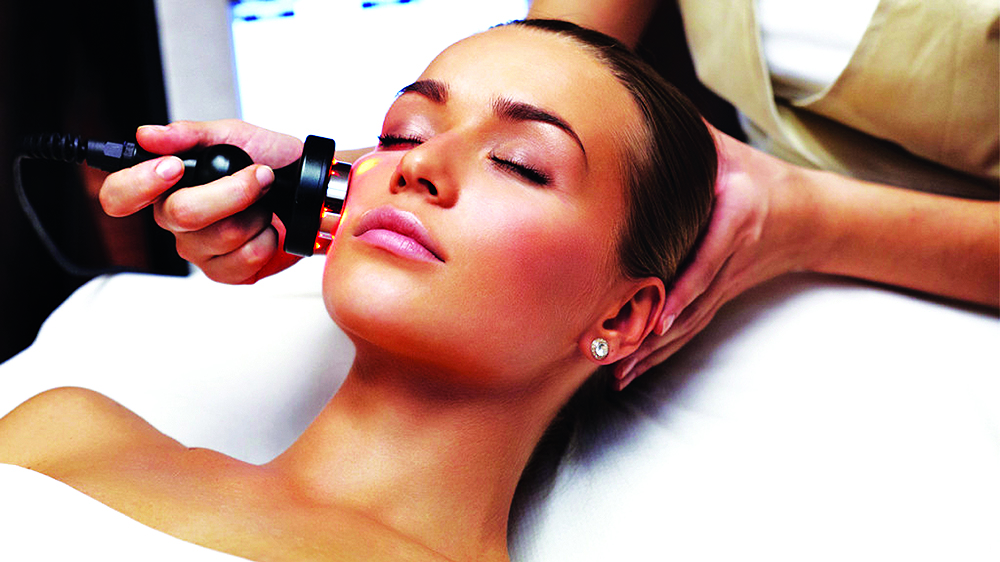
Keeping a low profile for years, brands like Aayna clinic in Delhi, Yavana clinic in Mumbai and similar others have been enjoying their single outlet presence for couple of years. Even after gaining adequate attention for their premium quality services, these brands are anxious of flexing arms beyond their current horizon.
What’s the pull back?
Often, Indian aestheticians complain of lack of qualified and skilled professionals available on the ground to maintain the replica clinics or address the client’s query as precisely as the original one do.
“The reason why I have a single outlet is that Aayna is a beauty couture kind of place. There is so much happening under one roof at Aayna that it is hard to replicate. And, if it’s been done, again, it has to be done with the same precision, the same passion and the same quality that went into making Aayna what it is today,” Dr Simal Soin, Medical Director, Aayna Clinic, New Delhi.
Expecting an elaborate growth of 55 per cent in the current fiscal, Aayna’s year-on-year progress is significant in the national capital market. The chic aesthetic brand is the darling of elite consumers, especially women across the city, however, they find it difficult to attend repeat procedures as and when required.
“Flying back and forth to Delhi from Mumbai or Bengaluru is difficult. I am a business woman and my company is based in Pune. Whenever I visit Delhi for personal or professional purpose, I get the required services from Aayna. However, it would be great if the brand extends its offerings in at least big cities like Mumbai, Bengaluru or Chennai,” said a loyal consumer of Aayna, who opted not to disclose her identity here.
Similarly, Yavana clinic in Mumbai has created niche in the Mumbai market with its standalone clinic in span of 10 years. Still, it does not incur elaborate revenue. The brand sees high footfall and continuous demand from their clients to increase its physical presence.
“Yavana Aesthetic Clinic is currently a standalone aesthetic clinic in Mulund (West), Mumbai. However, looking at the increased flow of patients and growing popularity amongst patients from all corners of Mumbai, Yavana is poised to expand its presence in other areas of Mumbai. Plans are underway,” said Dr. Madhuri Agarwal, Founder and Medical Director, Yavana Asthetics Clinic.
Using and implementing high end internationally certified exquisite technology has placed Yavana in the forefront of aesthetics care in India.
Room for high margin
The current medical aesthetic market is worth $52,405 million for both service and product revenue, which over the next five years will grow at 5.5 per cent CAGR and is expected to hit $69,786 million in 2021. The invasive aesthetic procedures are set to grow at a CAGR of 4.3 per cent, while non-invasive procedures will grow at a CAGR of 4.5 per cent over the coming five years.
Cosmetic surgery products generated $7,824.0 million in 2015 and have the potential to reach $13,934.0 million in 2021.
Highly influenced with the word-of-mouth-publicity, somewhere down the line, the standalone aesthetics clinics of the country are losing perspective premium consumers due to lack of significant presence. And, the only way to fetch these potential clients is to increase the market presence.
“Technology has evolved to deliver great results; Built-in safety measures and user friendliness is encouraging more doctors and spas to embark on these machines to treat their clients. You must indulge in activities that build your credibility in the market first. People have to trust your expertise and your safety protocols to be able to start treatments with you,” suggested a United States Board Certified Cosmetologist, Roopa Ambekar who is the Founder and Managing Director of Uber Medspa & Salon.
Two-times national award winner, Ambekar, is the Dean of Paul Mitchell Cosmetology School, Washington DC; Education Director Graham Webb International, Washington DC; Master Trainer, Aveda Institute, Philadelphia and Senior Style Consultant Le Shoppe, Virginia. Recently, the industry expert has launched her education institute - the Roopa Ambekar International Institute of Cosmetology (RAIIC)
Strengthen the loose ends
Factors such as the increasing inclination towards minimally invasive and non-invasive aesthetic procedures, technological advancements in energy based devices and rapid growth in number of cosmetic procedures are driving the growth of the global medical aesthetics market.
However, still certain challenges remain as to how much training is enough really in safety protocols when using aesthetic laser machines and other anti-aging products. It’s the responsibility of the well trained and experienced aestheticians to increase their market presence and ensure adequate training of not just the distributors or sellers of products and equipment, but also to train the product manufacturers.
To take the experience to the next level, continuous training in med aesthetics machines, latest technologies and skill updating is essential.
The improved industry standards will surely give a ray of hope to consumers who look for international level of expertise in India and end up getting disappointed due to lack availability of resources.
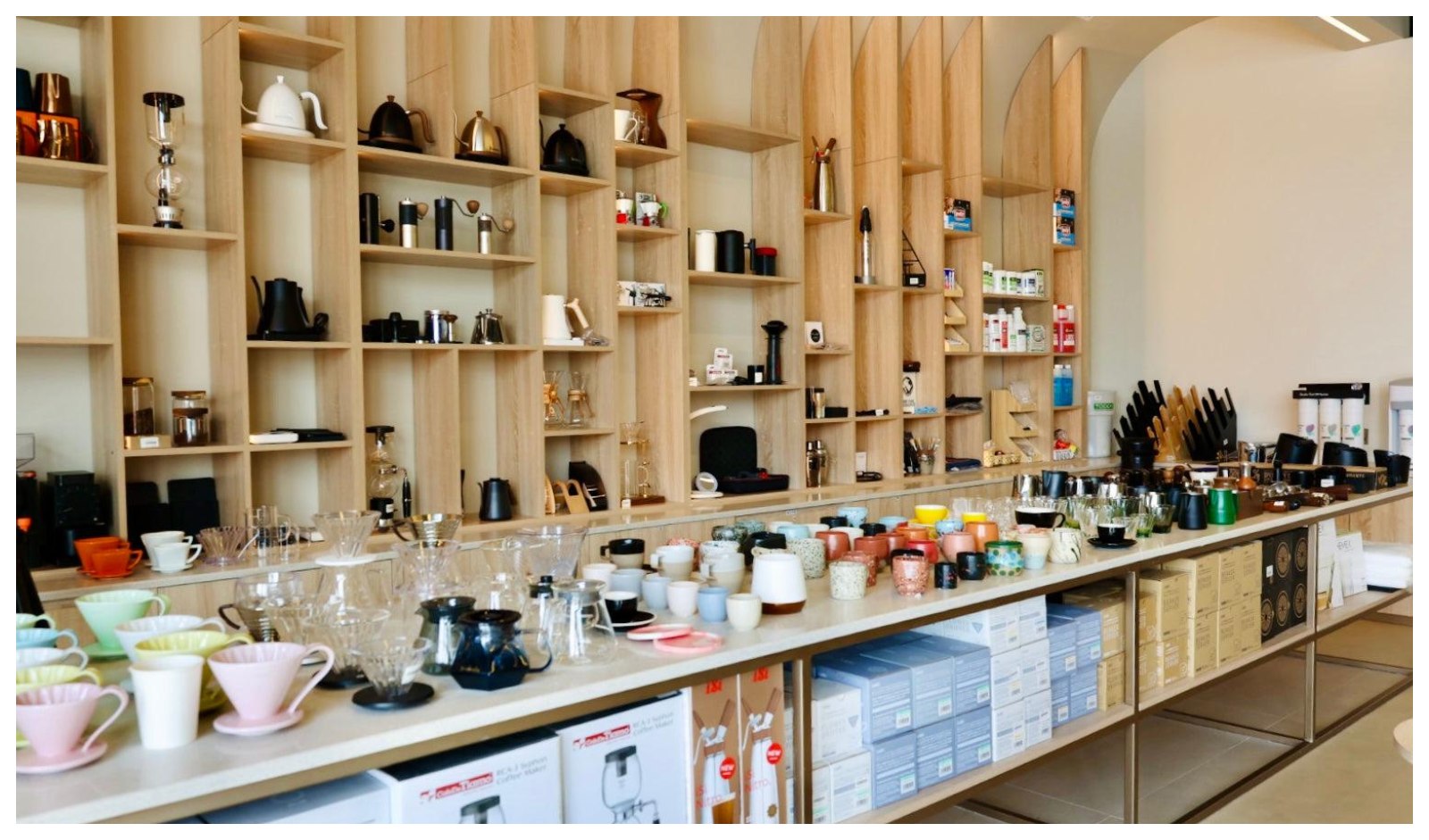 Coffee brands in IndiaFor retailers, this means selling not just better coffee, but a better, easier and more personalised coffee routine.
 Food businessThe street food itself may remain fresh, messy and best eaten from a paper plate. But its flavour could travel much further.
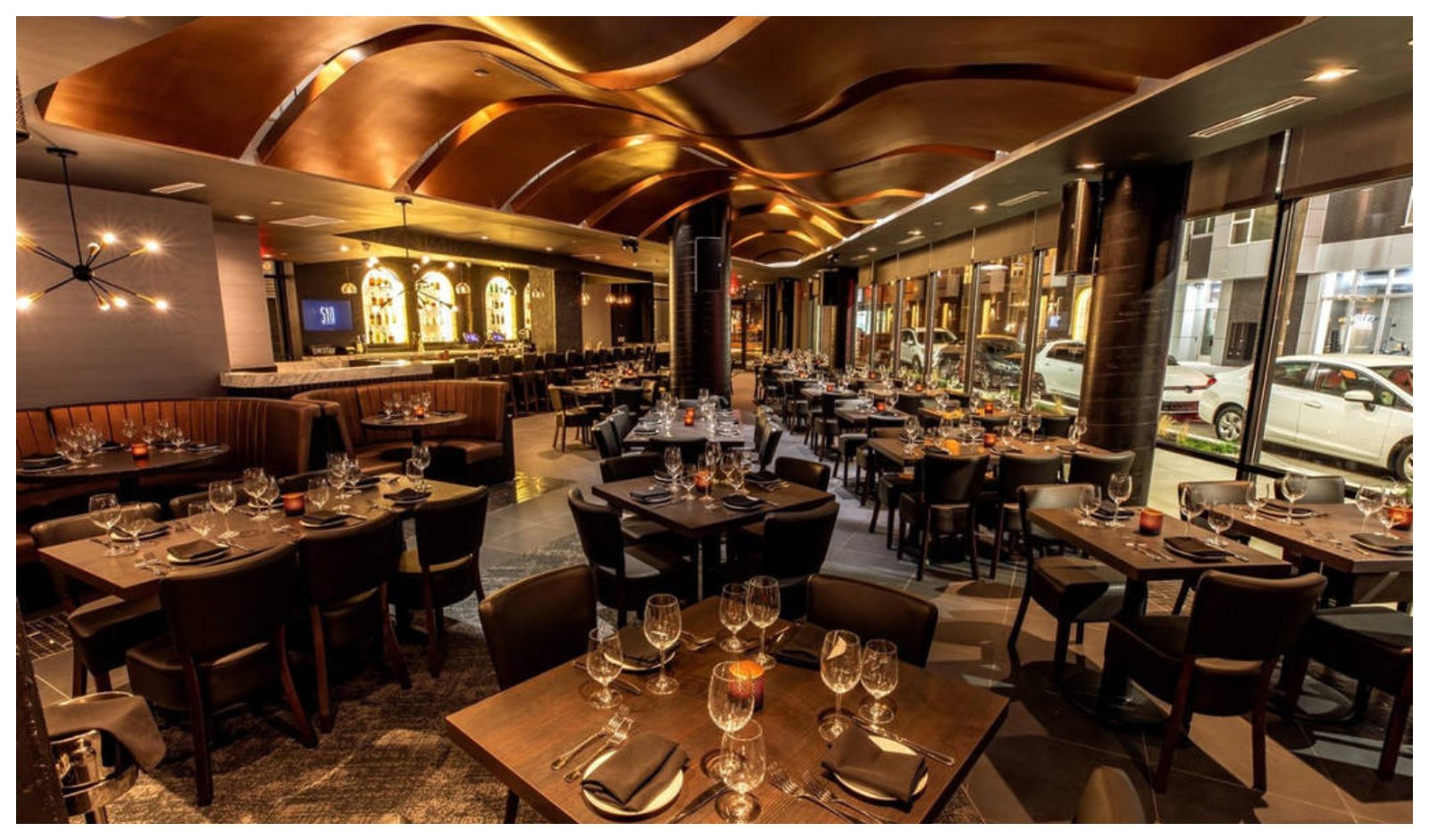 Invest in restaurant businessFrom Mumbai Street food and Nepalese momo to Indian Pakistani dining and modern regional cooking, a new generation of restaurants is bringing more…
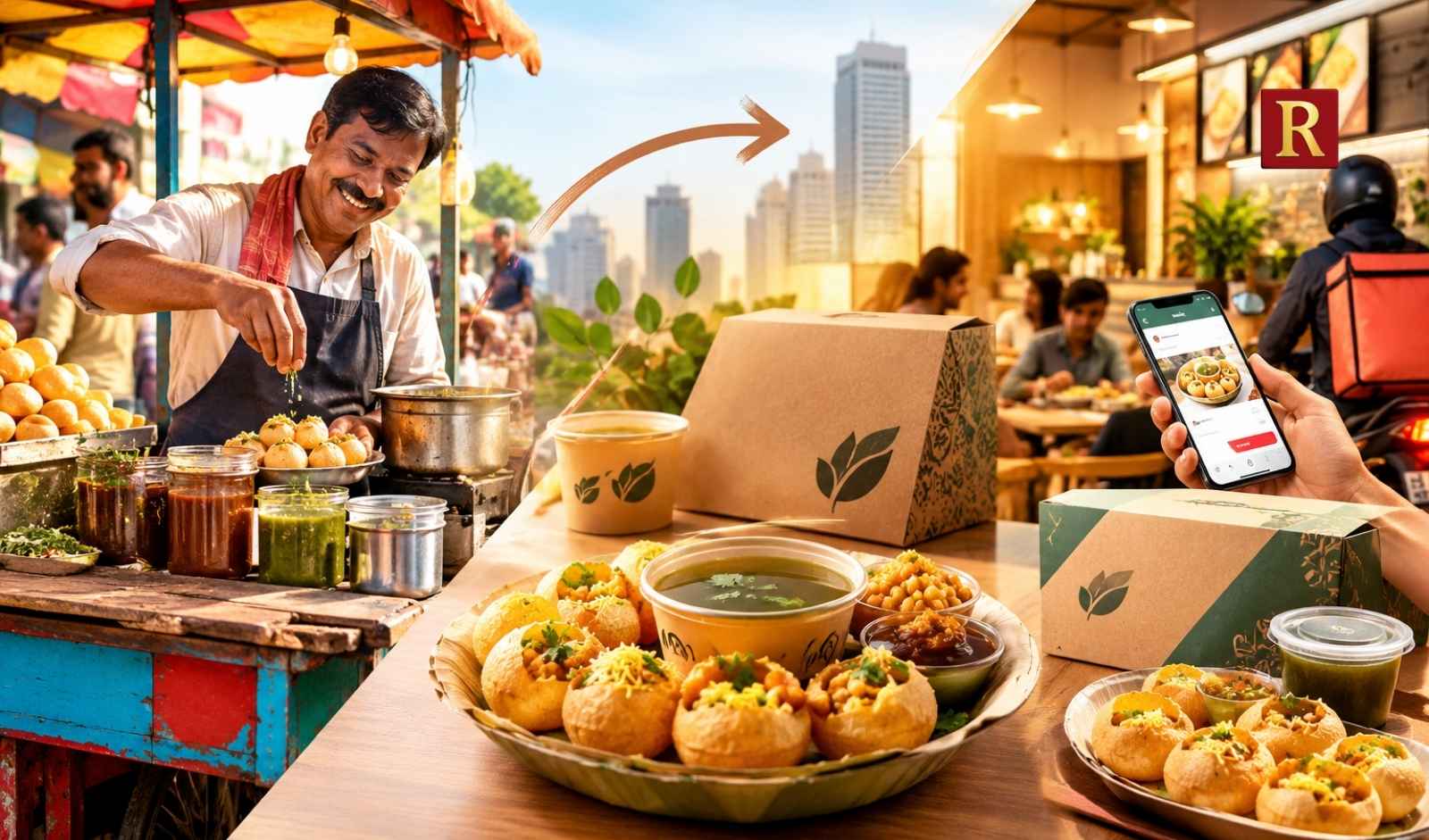 Street FoodIndia's street-stall and kiosk category continues to be shaped by affordability, convenience and regional food, while organised players are…
Copyright © 2009 - 2026 Restaurant India.